What Is a Coffee Blend and Why It Tastes Different Every Time
What Is a Coffee Blend and Why It Tastes Different Every Time
- coffee machines
A coffee blend combines beans from different origins, farms, or processing methods into a single product designed for a specific flavor outcome. The idea behind blending is balance: where one bean contributes acidity, another adds body, and a third rounds out the finish. Yet many coffee drinkers notice that the same blend tastes noticeably different from one brew to the next, and that variation is rarely random. The Coffee Co’s range of coffee blends is built around this understanding, offering compositions that perform consistently when brewed with care.
What Is a Coffee Blend?
A coffee blend is a deliberate combination of beans from multiple origins, processed and roasted to produce a flavor profile that no single origin consistently delivers on its own. The blender’s goal is to create something greater than the sum of its parts: a cup that is balanced, repeatable, and suited to a defined brewing purpose.
Blends of coffee exist across every segment of the market, from everyday morning coffee to specialty preparations designed for specific brewing methods. Unlike single-origin coffee, which reflects the character of one specific source, a blend is engineered for predictability and breadth of appeal.
Types of coffee blends range widely in composition and intent, but the common thread is that each has been designed with a purpose in mind, whether that is approachable daily drinking, espresso body, or a particular regional flavor tradition.
How Coffee Beans Are Blended Together
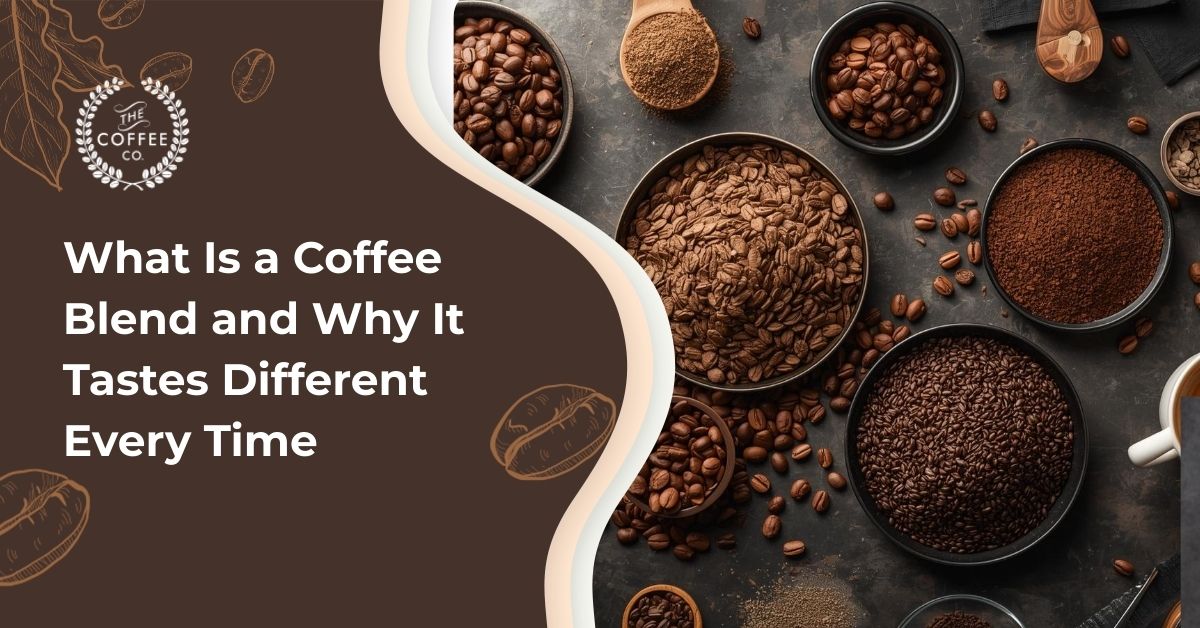
Blending coffee beans involves selecting components that contribute specific qualities and combining them in proportions that achieve the target profile. Acidity, sweetness, body, and aftertaste can each be sourced from different origins and calibrated through the blend ratio.
Roasters approach blending in two ways. Pre-roast blending combines green beans before they enter the roaster, which produces a unified flavor but limits individual roast optimization. Post-roast blending roasts each component separately to its ideal level and then combines them, offering greater control over each bean’s contribution to the final cup.
A coffee blending machine in a commercial context facilitates precise, repeatable mixing at scale, but the decisions that determine quality happen at the selection and roasting stage rather than the mechanical one.
Why the Same Coffee Blend Can Taste Different Each Time
The blend itself is a fixed composition, but the cup it produces is shaped by every variable between the bag and the mouth. Grind size is the most impactful variable: even a minor adjustment changes how quickly water moves through the grounds and how much of each compound is extracted.
Water quality and temperature affect the result meaningfully. Hard water emphasizes bitterness; water that is too cool under-extracts; water that is too hot pulls harsh compounds that a well-dialed brew would leave behind. These variables interact with the blend’s composition rather than overriding it.
Freshness is another significant factor. Blends of coffee that have been open for an extended period lose volatile aromatics that contribute brightness and complexity to the cup, producing a result that tastes flat compared to the same blend brewed fresh.
Types of Coffee Blends You Will Commonly Find
Understanding the landscape of available blends helps in selecting one that suits the specific use case.
- Morning blend coffee: Typically medium roast with balanced acidity and gentle body, designed for daily drinking without intensity that feels demanding early in the day
- Italian coffee blend: Roasted darker to produce the low-acid, full-bodied character associated with traditional espresso; suited to short extraction and milk-based drinks
- Espresso blends: Engineered for pressure brewing, with compositions that produce crema stability and extraction balance under high-pressure conditions
- Specialty blends: Crafted with traceability and flavor complexity as priorities, often featuring beans from specific farms or micro-lots combined for a distinct cup experience
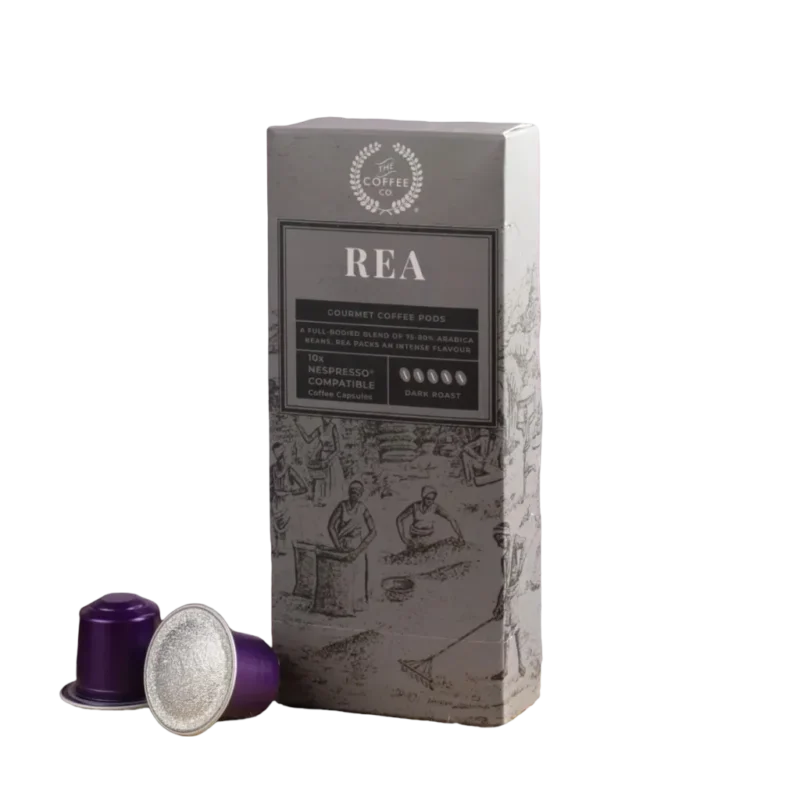
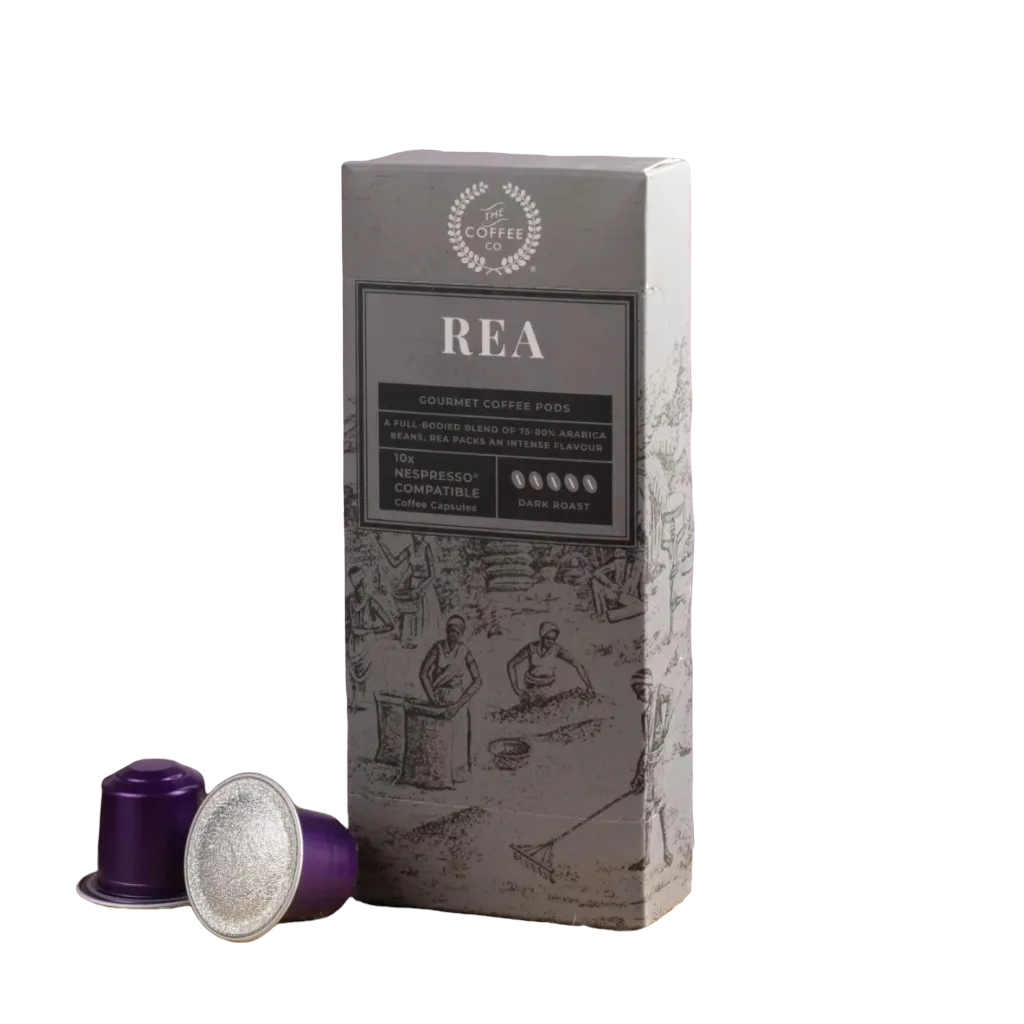
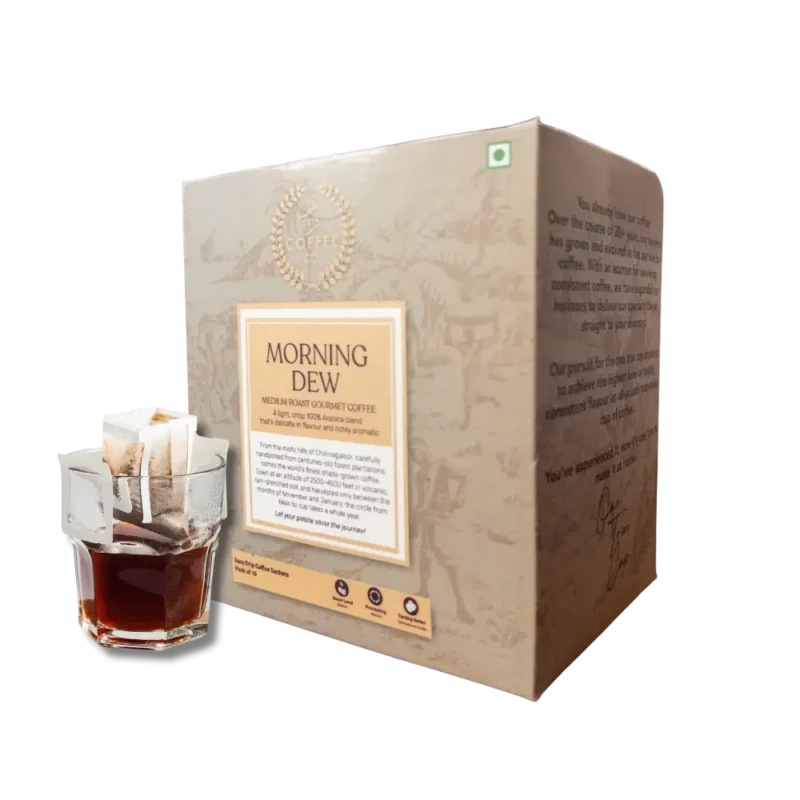
The Coffee Co’s coffee blends range reflects these categories, giving buyers a clear starting point based on brewing preference and daily habit.
Coffee Blends for Different Brewing Styles
The same blend produces different results depending on how it is brewed, which is why matching blend composition to brewing method improves outcomes significantly.
Hot coffee vs. blended iced coffee
- Hot brewing extracts a blend’s full range of flavors, including the delicate top notes that contribute brightness and complexity. The warmth of the cup carries aroma actively, and the full extraction profile is present in the final drink. Hot brewing rewards blends with layered compositions and nuanced roast character.
- Blended iced coffee changes the extraction dynamic entirely. Cold or flash-chilled brewing suppresses certain bitter and acidic compounds while emphasising sweetness and body, which means a blend that tastes sharp hot may taste smooth and approachable over ice. Blends selected for iced preparation tend to feature natural sweetness and low harsh-compound profiles.
Both approaches deliver genuine value for different occasions and preferences. The right choice depends on when and how the coffee is being consumed rather than one being objectively better than the other.
An instant coffee blend occupies a separate category: the coffee is pre-brewed and dehydrated, which means the blend’s composition affects flavor but the extraction variables of home brewing are removed from the equation. Blend instant coffee products suit convenience-first users for whom speed takes priority over brewing involvement.
Specialty and Lifestyle Coffee Blends
Organic coffee blends address a growing preference for sourcing transparency and farming practice alongside flavor. These blends use beans grown without synthetic pesticides or fertilisers, which appeals to buyers who consider origin ethics as part of their daily coffee choice.
A healthy blended coffee recipe, in the lifestyle sense, often starts with an organic or lightly roasted blend as the base, where the natural character of the beans comes through without heavy roast influence masking the origin. The blend’s composition matters as much as what is added to it.
The Coffee Co recognises this preference in its product selection, offering blend options that reflect considered sourcing alongside consistent brewing performance for everyday use.
Choosing the Right Coffee Blend for Your Daily Routine
Selecting a coffee blend for daily use comes down to three practical questions: what flavor profile suits the palate, what brewing setup is being used, and what time of day the coffee is consumed most often.
- For mornings: A balanced medium roast blend with moderate acidity provides energy without intensity that feels heavy early in the day
- For espresso setups: A blend engineered for pressure extraction, with body and crema stability as priorities, produces better results than a filter-oriented blend used in the same machine
- For afternoons or evenings: A lower-acidity blend reduces the likelihood of acidity sensitivity and suits a more relaxed drinking pace
- For filter or pour-over brewing: Blends with brightness and clarity perform better than darker compositions, which can turn flat in longer extraction formats
- For iced preparation: A blend with natural sweetness and low harsh compounds holds its character through chilling and dilution
The Coffee Co’s range of coffee blends and grinders supports each of these use cases, making it straightforward to find a starting point and refine from there as daily habits and preferences become clearer.
FAQs
What is a coffee blend and how is it different from single-origin coffee?
A blend combines beans from multiple origins for balance and consistency; single-origin coffee reflects the character of one specific source without blending.
Why does the same coffee blend taste different every time I brew it?
Grind size, water quality, temperature, brewing time, and bean freshness all influence extraction and shift the flavor even when the blend itself is unchanged.
How are coffee beans blended together?
Roasters combine beans either before or after roasting, selecting proportions that balance acidity, sweetness, body, and finish toward a target flavor profile.
What are the most common types of coffee blends?
Morning blends, espresso blends, Italian-style dark roasts, and specialty blends are the most widely available, each suited to different brewing methods and taste preferences.
Do Italian coffee blends taste different from other blends?
Yes, Italian blends are typically roasted darker, producing lower acidity and heavier body suited to short espresso and traditional milk-based drinks.
Which coffee blends work best for iced coffee?
Blends with natural sweetness and low harsh-compound profiles hold their character through chilling and dilution better than high-acidity or sharply roasted compositions.
Is the instant coffee blend different from regular coffee blends?
Yes, instant coffee is pre-brewed and dehydrated; the blend affects flavor, but home brewing variables are removed from the process entirely.
Are organic coffee blends healthier than regular blends?
Organic blends use beans grown without synthetic inputs, which addresses sourcing and farming concerns; the health difference in the cup itself is modest compared to the sourcing distinction.
How does brewing method affect the taste of a coffee blend?
Each method extracts different compounds at different rates; the same blend can taste bright in filter brewing, rich in espresso, and smooth when brewed for iced coffee.
How do I choose the right coffee blend for my daily use?
Match the blend’s roast profile and composition to the brewing method, time of day, and personal flavor preference, then adjust grind and dose from there.
Related Post

- Design trends
Top 7 popular coffee trends in 2026 reflect how coffee has moved beyond a daily habit into a complete lifestyle

- coffee machines
Coffee brewing temperature is one of the most direct and controllable factors shaping how every cup tastes, smells, and feels.

- Automatic coffee machine
Understanding the right automatic coffee machine features makes the selection process considerably more straightforward than comparing spec sheets alone. Practical