Temperature Issues in Automatic Coffee Machines and Their Impact on Taste
Temperature Issues in Automatic Coffee Machines and Their Impact on Taste
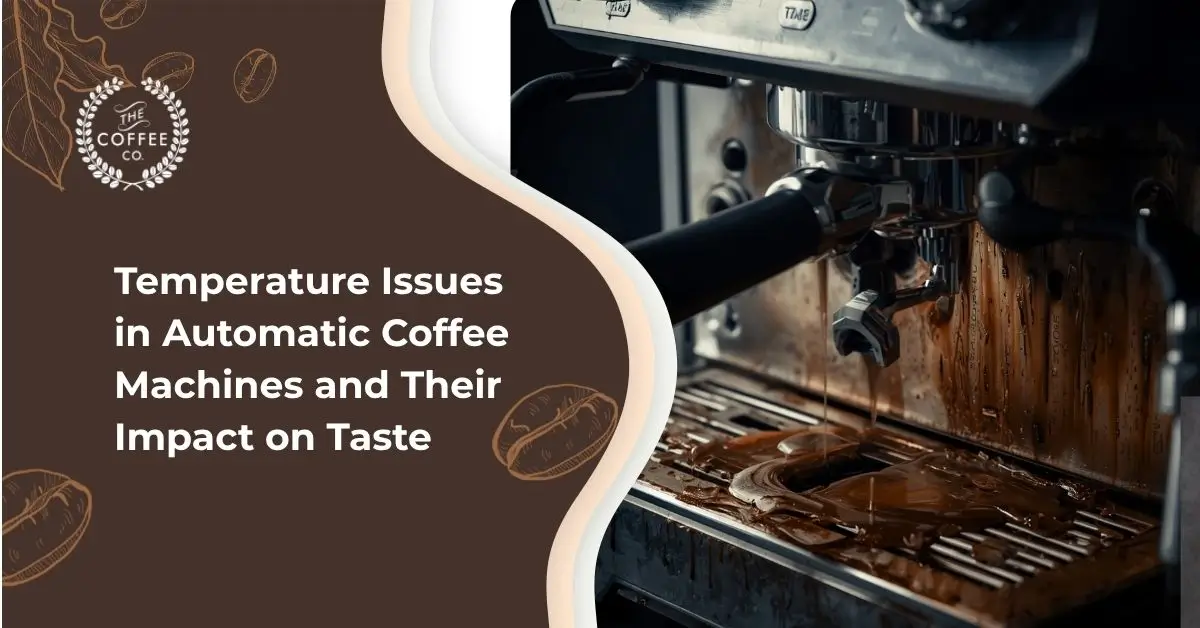
- Automatic coffee machine
When coffee tastes off, most people look at the beans first. The more common cause, however, is temperature instability inside the machine itself. An automatic coffee machine that cannot hold steady heat through the brewing cycle will produce results that shift from cup to cup, regardless of bean quality. High-quality machines like the Gaggia La Brillante are built to maintain consistent heat so extraction stays reliable every time.
Why Temperature Control Is Critical in Coffee Brewing
Coffee brewing temperature is one of the most direct influences on what ends up in the cup, and automatic espresso coffee machine designs that ignore this fact compromise the entire output.
Water that is too hot draws out harsh, bitter compounds from the coffee grounds faster than intended. Water that is too cool fails to dissolve the flavour-carrying solids fully, producing a thin, sour result. The target range sits in a relatively narrow band, and a fully automatic espresso machine that holds that range consistently gives the coffee grounds exactly the conditions they need to release balanced flavour.
Temperature consistency, more than any single variable, is what separates reliable daily coffee from unpredictable results.
The Hidden Problem: Why Most Automatic Machines Fail at Temperature Stability
Inconsistent brewing is often a structural problem, not a user error, and it is particularly common in lower-cost automatic coffee machines that use minimal heating infrastructure.
Cheap thermoblocks heat water quickly but struggle to maintain a stable output temperature across consecutive brews. As heat dissipates between shots, each cup is extracted at a slightly different temperature than the last. Commercial automatic coffee machines built for volume address this with more robust boiler systems, but budget super automatic machines rarely invest in that level of engineering.
The result for offices and cafés relying on these machines is gradual flavour drift throughout the day, which affects the experience every time a cup is served.
How Temperature Fluctuation Affects Coffee Taste
Temperature fluctuation produces taste problems that are easy to notice but difficult to trace without understanding what is happening inside the machine.
- Bitter coffee: Overheating during extraction pulls harsh compounds from the grounds, creating a sharp, unpleasant finish that lingers even in milk-based drinks.
- Sour or weak coffee: Low brewing temperature leaves key flavour compounds behind, producing an automatic coffee maker output that tastes thin and acidic.
- Inconsistent cups: When heat varies between brews, the best coffee maker automatic setting cannot compensate, and sequential cups taste noticeably different from each other.
For cafés and offices, this inconsistency affects guest confidence and the overall perception of the coffee service. An automatic cappuccino machine that produces variable results during a busy morning creates a reliability problem that compounds over time.
Why High-End Automatic Machines Maintain Better Temperature Control
A fully automatic coffee machine with grinder and advanced thermal management handles temperature as an engineering priority, not an afterthought.
Premium Super Automatic Machines vs Budget Automatic Machines
Both types produce espresso automatically, but their approach to temperature stability differs significantly.
A commercial super automatic espresso machine uses dual boiler or thermoblock systems designed to hold water at stable extraction temperatures across repeated cycles. The internal components are calibrated to recover heat quickly between shots, meaning the machine performs the same way during the first cup of the morning and the last cup of the afternoon. The Gaggia La Brillante, available through The Coffee Co., is built with this operational standard in mind.
A budget super automatic machine prioritises a lower price point, which typically means a simpler heating element that loses thermal stability under regular use. It may perform adequately in isolation but struggles to maintain consistent output when multiple cups are brewed in sequence. For occasional home use, this may be acceptable. For a fully automatic coffee machine for office use, it creates a daily reliability gap.
Both serve a purpose. The decision depends on how much consistency matters in the environment where the machine operates.
Choosing the Right Automatic Coffee Machine for Consistent Temperature
Selecting an automatic coffee machine india businesses and homes can rely on requires looking beyond surface features and price.
Key factors worth evaluating before a purchase:
- Heating system type: Dual boilers or advanced thermoblock systems maintain temperature more reliably than basic single-element designs.
- Build quality of internals: Metal components hold heat more consistently than plastic alternatives under repeated use.
- Intended environment: A best home automatic coffee machine and an automatic coffee machine commercial model are engineered for different usage volumes; matching the machine to the setting matters.
- Serviceability: A machine that is easy to maintain stays in optimal condition longer, protecting temperature performance over time.
The list of automatic machines available through The Coffee Co. is curated to suit different environments, from home kitchens to high-footfall café and office settings, with build quality as a consistent standard across the range.
Consistent Temperature Equals Consistent Coffee
Temperature is not a technical footnote in the coffee brewing process. It is the variable that ties every other step together.
A coffee machine automatic system that holds stable heat produces the same extraction conditions for every cup. A fully automatic espresso machine with reliable thermal management removes the most common cause of taste inconsistency in daily coffee service.
For offices, cafés, and anyone who depends on repeatable quality, investing in an automatic espresso machine built around temperature control is a practical decision with measurable results. Commercial automatic coffee machines that maintain this standard protect the quality of every cup served, building the kind of consistency that keeps people coming back.
FAQs
What causes inconsistent temperature in automatic coffee machines?
Weak heating elements and poorly designed boiler systems fail to hold stable heat across consecutive brews, causing temperature to vary between cups.
Can low temperature cause sour coffee in espresso machines?
Yes. Water below the ideal extraction range fails to dissolve key flavour compounds, resulting in sour, underdeveloped espresso.
What is the ideal temperature for coffee brewing?
Espresso extracts best within a narrow, stable temperature range. Machines that cannot hold this range consistently produce variable results.
Why do automatic coffee machines lose heat consistency?
Heat loss between shots, combined with low-grade internal components, causes temperature to drop or fluctuate during back-to-back brewing.
How does temperature affect espresso extraction?
Temperature controls how quickly and completely water dissolves flavour compounds from the coffee grounds, directly shaping the taste, body, and balance of the cup.
Are expensive coffee machines better at temperature control?
Higher-quality machines invest in better heating systems and components that maintain stable extraction temperatures under regular use.
What type of heating system is best in automatic coffee machines?
Dual boiler and advanced thermoblock systems offer the most reliable temperature stability, particularly in high-volume or commercial settings.
How can I fix temperature issues in my coffee machine?
Regular descaling, proper maintenance, and ensuring the machine is fully preheated before use all help preserve thermal stability.
Do commercial coffee machines maintain better temperature stability?
Commercial machines are designed for sustained output under volume, and their heating systems are built to hold consistent temperatures across many consecutive brews.
Which automatic coffee machines are best for consistent coffee taste?
Machines with advanced thermal management, quality internal components, and designs suited to the intended usage volume deliver the most consistent results over time.
Related Post

- Design trends
Top 7 popular coffee trends in 2026 reflect how coffee has moved beyond a daily habit into a complete lifestyle
- coffee machines
Coffee brewing temperature is one of the most direct and controllable factors shaping how every cup tastes, smells, and feels.
- Automatic coffee machine
Understanding the right automatic coffee machine features makes the selection process considerably more straightforward than comparing spec sheets alone. Practical