What Happens Inside a Gaggia Machine During Brewing? (Explained Simply)
What Happens Inside a Gaggia Machine During Brewing? (Explained Simply)
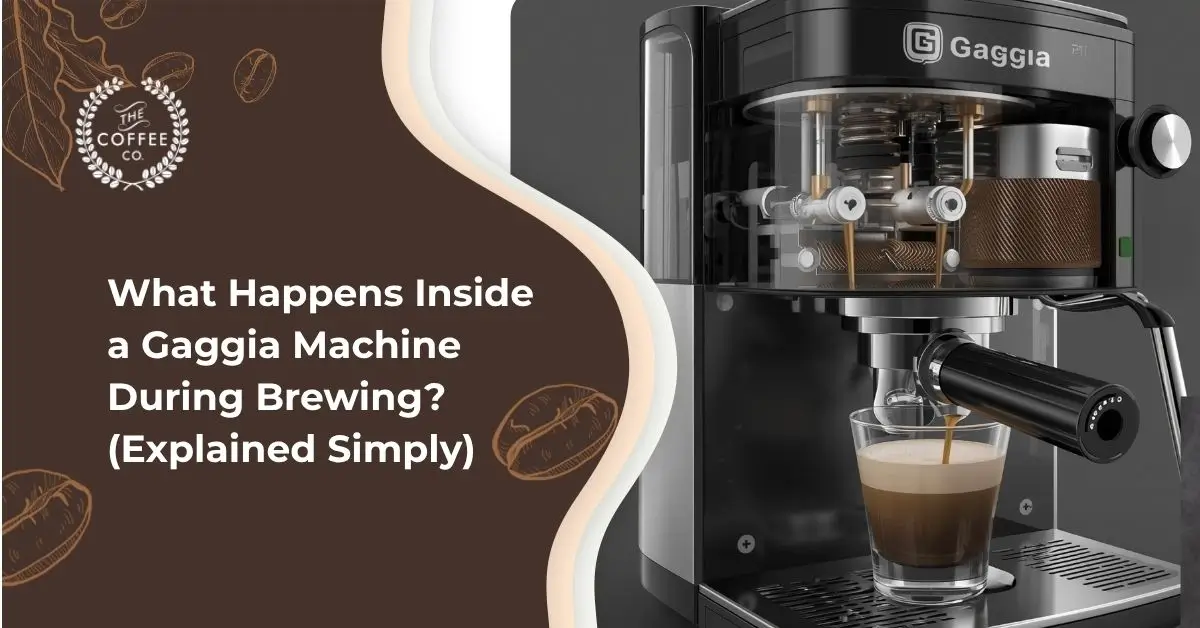
- Automatic coffee machine
Most people press a button and receive coffee without thinking about what happens between those two moments. Inside the machine, a precise sequence of steps determines whether the result is rich and balanced or flat and forgettable. Poor machines skip corners on this process, which is why inconsistent coffee is so common in offices and cafés. The Gaggia coffee machine is built to control each stage of that sequence, from the first grind to the final pour.
Step 1: Grinding the Beans: Where Coffee Quality Begins
Fresh grinding is the foundation of any serious espresso coffee brewing process, and a bean to cup coffee machine in India that skips this step starts at a disadvantage.
Grind size directly affects how water flows through the coffee bed. Too coarse and water rushes through without extracting flavour. Too fine and it chokes, creating bitterness. The Gaggia Magenta Prestige and other Gaggia bean to cup coffee machine models include built-in grinders that calibrate grind size automatically, ensuring each dose is consistent before brewing even begins.
An automatic coffee machine that grinds fresh for every cup removes one of the most common sources of inconsistency in daily coffee service.
Step 2: Tamping: Creating the Perfect Coffee Bed
Tamping is the step that compresses ground coffee into a uniform bed, and it plays a direct role in how evenly water extracts flavour across the espresso coffee making process.
Manual Tamping vs Automatic Tamping
Both approaches aim for the same outcome: an even, stable coffee bed that allows consistent water flow through every extraction.
Manual tamping, used in machines like the Gaggia espresso machine Classic GT range, gives an experienced operator direct control over pressure and levelness. When done well, it produces a precisely prepared bed and allows the user to adjust technique based on the coffee being used. It rewards skill and attentiveness.
Automatic tamping, found in coffee machine Gaggia super automatic models, removes the human variable entirely. The machine applies the same measured pressure every time, regardless of who is operating it. This makes it particularly valuable in office and café environments where multiple users prepare coffee throughout the day.
Both methods achieve excellent results. The choice comes down to whether the environment values hands-on craft or hands-free reliability.
Step 3: Pressure and Temperature: The Core of Espresso Extraction
Espresso pressure and temperature are not background details; they are the two variables that determine whether extraction succeeds or fails.
Espresso requires water delivered at a specific pressure level to force through the compressed coffee bed and release oils, aroma, and soluble compounds correctly. The coffee machine pressure system in Gaggia coffee machines is calibrated to maintain this standard across consecutive shots. Temperature stability works alongside pressure; a boiler that fluctuates between shots produces espresso that tastes different cup to cup.
Cheap machines fail consistently at this stage because their thermal and pump systems are not built to hold stable conditions under repeated use. The Gaggia Naviglio Milk, for example, pairs a reliable pressure system with a stable heating element to protect output quality even during back-to-back service.
Step 4: Extraction:Turning Water into Espresso
Espresso extraction is the moment water passes through the prepared coffee bed and collects the flavour compounds that define the cup.
The espresso extraction process pulls oils, acids, sugars, and aromatic compounds from the grounds in a specific sequence. The balance between these elements determines body, bitterness, and finish.
Over-Extraction vs Under-Extraction
Getting extraction right is the central challenge of the entire coffee brewing process.
Over-extraction occurs when water contacts the coffee bed for too long or at too high a temperature, drawing out harsh, bitter compounds that overwhelm the cup. This commonly happens in machines with poor temperature control or inconsistent pressure, and the result is espresso that tastes sharp and unpleasant even with quality beans.
Under-extraction happens when contact time is too short or pressure too low, leaving the desirable flavour compounds behind. The resulting espresso tastes sour, thin, and weak. Many low-cost machines default toward under-extraction because their pump systems cannot sustain adequate pressure throughout the shot.
Both produce unsatisfying results, and both are avoidable. The Gaggia Cadorna Milk range manages extraction variables through calibrated systems that hold consistent conditions from the first shot to the last, making it a dependable choice for a coffee machine for office use.
Step 5: Milk Frothing and Final Output
For cappuccinos, lattes, and other milk-based drinks, the frothing stage determines whether the final beverage meets expectations.
The Gaggia Animo Class and similar automatic coffee machine with milk system models use integrated milk systems that heat and texture milk to a consistent temperature and density. This matters particularly in cafés and offices where the same drink is ordered repeatedly and quality needs to stay uniform.
- Automatic milk systems: Deliver consistent microfoam texture without requiring staff training, ideal for high-volume settings.
- Manual steam wands: Give skilled operators precise control over milk texture for specialty drinks like flat whites and latte art.
- Integrated carafe systems: Allow milk to be stored and dispensed hygienically, reducing preparation time during peak service.
A cappuccino machine in India that handles milk inconsistently undermines the entire brewing process that came before it. Consistent milk output completes the experience and directly supports customer satisfaction.
Why All These Steps Matter for Consistent Coffee Every Day
Each step in this process connects to the next, and a weakness in any one stage affects the final cup. This is why cheap machines that compromise on grinding, pressure, or temperature produce coffee that tastes different from morning to afternoon.
For a coffee machine for office in India or coffee machines for cafes in India, this consistency is not a luxury. It is the baseline that keeps staff satisfied, guests returning, and service running without disruption.
Gaggia coffee machine India offerings through The Coffee Co. are built around controlled, repeatable brewing across all five stages. The Gaggia Magenta Prestige Over Ice extends this reliability to cold espresso-based drinks, making it one of the most versatile options for businesses that serve coffee as part of their daily experience.
For offices, cafés, and any setting where coffee is served regularly, the best coffee machines for business are those that protect quality at every stage, not just the visible ones.
FAQ’s
What happens inside a coffee machine during brewing?
The machine grinds, doses, tamps, applies pressure and heat, and extracts espresso in a controlled sequence designed to produce consistent flavour.
How does a bean to cup coffee machine work step by step?
It grinds whole beans, doses the grounds, tamps automatically, and then extracts espresso using calibrated pressure and temperature, all in one cycle.
Why is grinding important in espresso machines?
Grind size controls how water flows through the coffee bed. An uneven or incorrect grind causes over-extraction or under-extraction, both of which affect taste directly.
What is tamping in coffee making?
Tamping compresses the ground coffee into a flat, even bed so water flows through it uniformly during extraction.
How does pressure affect espresso taste?
Correct pressure extracts the right balance of oils and soluble compounds. Too little or too much pressure shifts the flavour toward sourness or bitterness.
What is the ideal temperature for coffee extraction?
Espresso extracts best within a stable, narrow temperature range. Machines that cannot hold this range produce inconsistent results cup to cup.
Why do some coffee machines make inconsistent coffee?
Inconsistency usually comes from unstable pressure, temperature fluctuation, or variable grinding, all of which are controlled in well-engineered machines.
How do automatic coffee machines control brewing?
They manage grind size, dose weight, tamping pressure, water temperature, and extraction time through calibrated internal systems that operate the same way every cycle.
What is the difference between manual and automatic espresso machines?
Manual machines give the operator control over key variables; automatic machines manage those variables internally, delivering consistent results without requiring barista skill.
Why are Gaggia machines known for consistent coffee quality?
Gaggia builds its machines to maintain stable pressure, temperature, and extraction conditions across repeated use, which protects flavour quality over time.
Related Post

- Design trends
Top 7 popular coffee trends in 2026 reflect how coffee has moved beyond a daily habit into a complete lifestyle

- coffee machines
Coffee brewing temperature is one of the most direct and controllable factors shaping how every cup tastes, smells, and feels.

- Automatic coffee machine
Understanding the right automatic coffee machine features makes the selection process considerably more straightforward than comparing spec sheets alone. Practical