Selecting the Ideal Grind Size for Your Coffee Brewer
Selecting the Ideal Grind Size for Your Coffee Brewer
- coffee machines
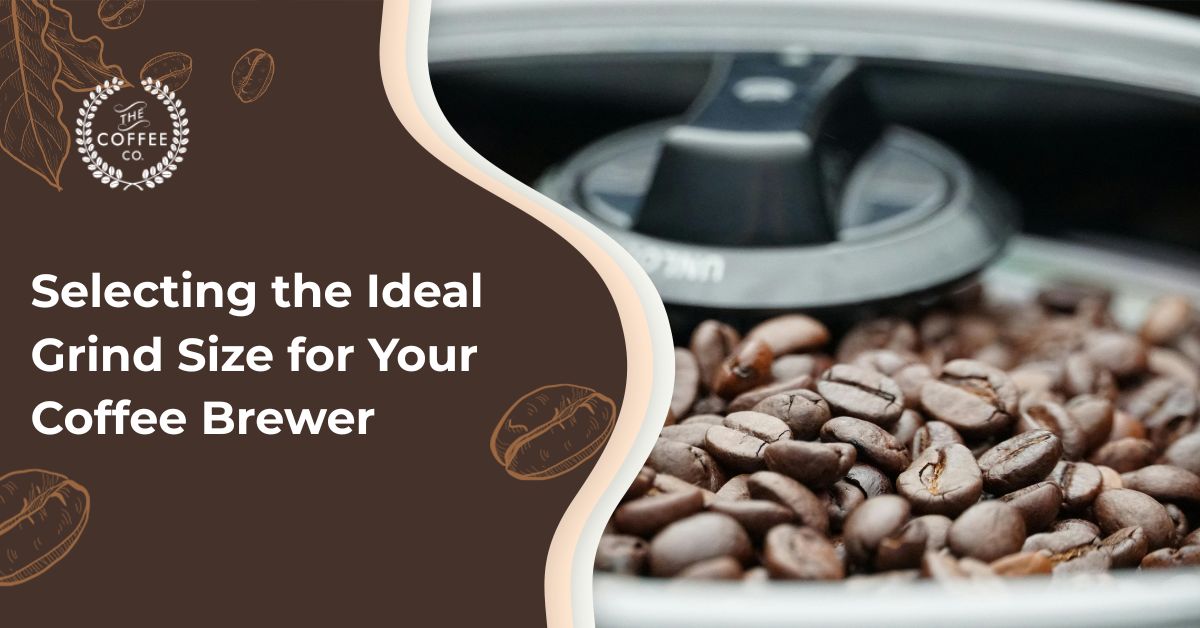
Grind size is one of the most important yet often misunderstood elements in coffee brewing. It directly influences flavour, texture, and overall balance in the cup. This guide explains how different grind sizes work across popular brewers used at home and in cafés. The Coffee Co frames grind size as a practical skill that improves results with any coffee machine or brewer.
Why Grind Size Matters in Coffee Brewing
Grind size controls how quickly water extracts flavour from coffee. Finer grinds slow water flow and increase extraction, while coarser grinds allow faster flow and lighter extraction.
When grind size does not match the brewer, coffee can taste sharp or hollow. The same beans show different character depending on coffee grinds used.
Understanding this relationship helps achieve the best coffee grind for consistent flavour and repeat satisfaction.
Understanding Different Coffee Grind Sizes
Different grind sizes exist to match specific brewing methods. Coarse, medium, and fine textures each influence contact time and extraction.
Coarse grind coffee feels rough and uneven, medium grind coffee resembles sand, and fine grind coffee feels powdery. These visual cues help identify grind types coffee needs.
Using the right option from different coffee grinds improves clarity and reliability across brews.
Best Grind Size for Popular Brewing Methods
French Press Grind Size
French press brewing relies on full immersion, making grind choice essential. A coarse grind for french press allows slow extraction without sediment.
Using fine particles often causes bitterness and sludge. Selecting the best grind for french press protects balance and mouthfeel.
Correct coffee grind for french press supports clean flavour and dependable results.
Drip Coffee Maker Grind Size
Drip machines depend on controlled water flow through a filter. A medium grind ensures even extraction and steady drip time.
Paper filters amplify the impact of grind size on flavour. Choosing the best grind for drip coffee improves consistency and daily ease.
A stable drip coffee grind size supports reliable performance in home and office setups.
Pour Over & Chemex Grind Size
Pour over brewing rewards control and precision. Medium to medium-coarse textures allow proper bloom and flow rate control.
A grind for pour over that is too fine slows extraction, while coarse particles weaken flavour. Selecting the best grind for pour over coffee enhances clarity.
For Chemex brewers, a slightly coarser profile supports balance and clean finish.
Moka Pot Grind Size
Moka pots require careful balance between pressure and extraction. A fine-medium texture supports flavour without clogging.
Too fine a grind increases bitterness and pressure stress. Choosing the best grind for moka pot preserves sweetness and structure.
Proper moka pot coffee grind improves stovetop consistency.
Cold Brew Grind Size
Cold brew uses extended contact time, making grind size critical. A coarse grind reduces over-extraction during long steeping.
Finer particles often create muddy flavours. Selecting the best grind for cold brew supports smoothness and clarity.
A consistent coffee grind for cold brew improves batch reliability.
Percolator Grind Size
Percolators recirculate water through coffee multiple times. A medium coarse grind prevents excessive extraction.
Fine particles quickly turn harsh in this method. Choosing the right percolator coffee grind protects balance.
Using the correct percolator grind improves flavour stability.
Matching Grind Size with Coffee Machines & Grinders
Machines and brewers influence grind requirements. Automatic systems expect uniform particles, while manual brewers allow more adjustment.
Electric machines benefit from consistent grind output, while hand brewers depend on user control. Selecting the best grind for coffee maker improves reliability.
Matching coffee grind for coffee maker setups supports smooth workflow and consistent cups.
Common Grind Size Mistakes and How to Fix Them
Many brewers use one grind across all methods, which limits flavour potential. Others swing too fine or too coarse without tasting adjustments.
Inconsistent grind often comes from unsuitable equipment. Recognising these issues helps restore the best coffee grind.
Correcting coarse grind coffee or fine grind coffee errors improves clarity and enjoyment.
How to Adjust Grind Size for Better Flavor
Taste offers the clearest feedback on grind performance. Sour notes suggest under-extraction, while bitterness points to over-extraction.
Small adjustments between medium fine grind coffee and medium coarse coffee grind make noticeable changes. Testing one variable at a time builds consistency.
Dialing in medium grind settings improves repeat results.
Choosing the Right Grinder for Consistent Results
Grinder choice shapes how evenly beans are processed. Burr grinders produce uniform particles, while blade grinders create mixed sizes.
Consistency matters when grinding beans for french press or espresso-focused brewers. Matching equipment to grind types coffee needs preserves flavour.
Reliable grinders support predictable brewing and long-term satisfaction.
Final Thoughts – Finding the Perfect Grind for Your Brew
There is no single grind that suits every brewer. Each method requires a specific texture to express flavour correctly.
Understanding different coffee grinds helps unlock better coffee with any machine or brewer. The Coffee Co supports this journey by focusing on tools and knowledge that improve everyday brewing.
FAQs
What is the best coffee grind for different brewing methods?
Each brewer requires a grind matched to its extraction style.
Why does french press grind size need to be coarse?
Coarse particles prevent over-extraction and excess sediment.
What grind size works best for drip coffee makers?
Medium textures support steady flow and balanced extraction.
Is moka pot grind size finer than drip coffee grind?
Yes, moka brewing benefits from a slightly finer profile.
What is the best grind for cold brew coffee?
Coarse textures suit long steeping times.
How does grind size affect coffee flavor and extraction?
It controls water contact time and flavour release.
Can one grind size work for all coffee makers?
Different brewers require different grind textures.
What happens if the grind is too fine or too coarse?
Flavour becomes bitter or weak depending on mismatch.
How do I choose the best grind for pour over coffee?
Medium to medium-coarse textures allow controlled flow.
What grind size should I use for a standard coffee maker?
Medium grind suits most standard machines.
Related Post

- Design trends
Top 7 popular coffee trends in 2026 reflect how coffee has moved beyond a daily habit into a complete lifestyle

- coffee machines
Coffee brewing temperature is one of the most direct and controllable factors shaping how every cup tastes, smells, and feels.

- Automatic coffee machine
Understanding the right automatic coffee machine features makes the selection process considerably more straightforward than comparing spec sheets alone. Practical