Descaling vs Cleaning a Coffee Machine: What’s the Difference?
Descaling vs Cleaning a Coffee Machine: What’s the Difference?
- coffee machines
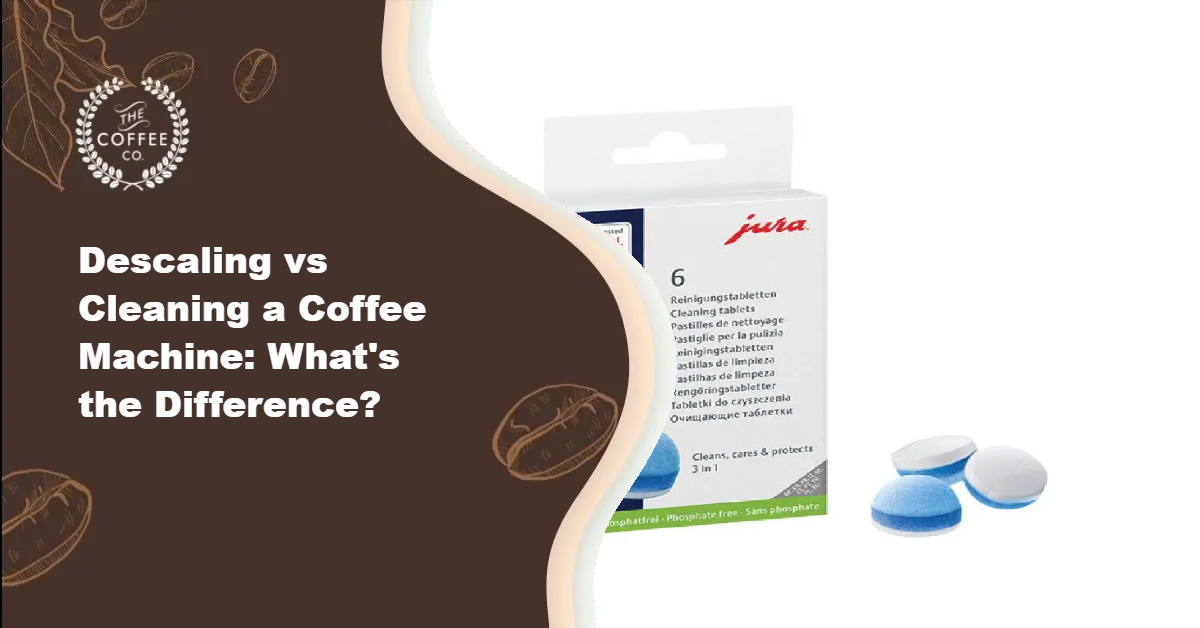
Understanding descaling vs cleaning a coffee machine forms the foundation of excellent coffee machine hygiene and consistent beverage quality. Cleaning focuses on removing leftover oils and grounds, whereas descaling targets internal mineral deposits left behind by heated water. Recognizing this distinction ensures optimal brewing equipment function and protects the underlying appliance upkeep. Prioritizing both practices guarantees peak machine performance and delivers a superior cup every single time.
Cleaning and Descaling Coffee Machines Serve Different Purposes
Distinguishing between specific maintenance tasks ensures thorough machine sanitation and protects the daily brewing routine. Coffee residue removal cleans the brewing group head, while limescale treatment addresses hidden water boilers alongside internal plumbing. Performing precise mineral deposit removal alongside daily surface washing preserves overall beverage integrity. Maintaining these distinct hygienic standards enhances customer retention and elevates overall brand prestige.
Coffee Residue Removal vs Mineral Deposit Removal
Understanding distinct maintenance targets clarifies the proper approach for equipment care.
Coffee residue removal focuses entirely on the organic oils left behind after brewing. Baristas wash portafilters and wipe down steam wands to ensure fresh flavor extraction. This daily hygienic practice keeps the exterior and immediate brewing components completely pristine.
Mineral deposit removal targets the calcium and magnesium left inside water heating chambers. Technicians flush dedicated solutions through the internal plumbing to maintain open water pathways. This internal treatment protects the heating elements and ensures steady water pressure.
Both processes provide essential protective benefits, allowing you to decide which targeted approach better suits your immediate equipment maintenance needs.
Coffee Residue and Mineral Buildup Inside a Coffee Machine
Monitoring internal scale and brewing system residue guarantees a consistently flawless beverage presentation. Fresh grounds create coffee oil buildup inside the brew basket, while heated water leaves hard water deposits along the internal heating elements. Recognizing where these elements accumulate ensures timely intervention and smooth liquid flow. Delivering an uncompromised flavor profile builds strong consumer loyalty and reinforces a premium market position.
Coffee Oil Buildup vs Hard Water Deposits
Identifying the source of internal accumulation directs the correct maintenance response.
- Coffee oil buildup occurs naturally as roasted beans release their organic fats during the extraction phase. These dark residues coat the portafilter baskets and the main dispersion screen over time. Regular washing lifts these organic compounds away before they alter the delicate beverage profile.
- Hard water deposits form when heated water leaves trace minerals behind on metallic surfaces. Calcium and magnesium crystallize inside the concealed heating boilers and narrow copper pipes. Periodic chemical flushing dissolves these rigid structures to restore the original liquid flow capacity.
Both forms of accumulation demand distinct solutions, allowing you to decide which specialized treatment better addresses your current brewing system residue challenges.
Signs Your Coffee Machine Needs Cleaning or Descaling
Recognizing early machine warning signs ensures continuous service operations and maintains a seamless guest experience. Detecting an unpleasant coffee taste usually indicates oxidized oil accumulation, whereas slow water flow suggests significant mineral blockages within the internal piping. Addressing these indicators promptly restores optimal extraction and corrects any reduced brewing performance. Consistent operational excellence drives positive word of mouth and strengthens long term brand visibility.
- A sudden change in beverage flavor signals the need for immediate group head washing.
- Sputtering steam wands indicate milk proteins coating the fine aeration tips.
- Prolonged extraction times point directly toward internal mineral blockages restricting the pump.
- Automated indicator lights provide clear guidance for initiating the factory maintenance cycle.
Cleaning and Descaling Frequency for Different Coffee Machines
Establishing a precise maintenance schedule based on local water hardness ensures continuous daily operations. High-volume commercial environments require a strict cleaning frequency, while regions with heavy mineral content demand shorter descaling intervals. Following the specific guidelines provided by the manufacturer protects the internal components and optimizes the entire brewing cycle. Implementing these reliable routines enhances operational efficiency and secures lasting client trust.
High-Use Machines vs. Occasional-Use Machines
Evaluating daily beverage output determines the most effective maintenance timeline.
High-use machines process significant volumes of beans and water throughout the entire day. These busy setups require thorough daily backflushing to clear out continuous organic accumulation. Frequent internal mineral treatments ensure the demanding workload never compromises the delicate heating elements.
Occasional-use machines operate less frequently but face unique periods of internal stagnation. Leftover water sitting inside the boiler leads to rapid mineral crystallization despite the lower beverage output. Regular flushing remains essential to keep the inactive internal components perfectly sanitized and functional.
Both usage levels require dedicated attention, allowing you to decide which specific maintenance schedule better supports your operational tempo.
Practical Steps for Better Coffee Machine Maintenance
Committing to consistent routine upkeep safeguards the equipment investment and elevates the daily coffee experience. Proper removable component cleaning eliminates lingering organic matter, while running a certified descaling solution clears hidden internal blockages completely. Thorough machine rinsing after any chemical application ensures the next beverage remains pure and perfectly safe. The Coffee Co encourages standardizing these precise care procedures across all locations to boost team efficiency and solidify corporate reliability.
- Performing daily removable component cleaning maintains spotless portafilters and fresh brew groups.
- Applying a dedicated descaling solution ensures completely clear internal water pathways.
- Executing thorough machine rinsing after chemical applications guarantees absolute beverage safety.
- Establishing strict routine upkeep protocols empowers staff and protects the valuable equipment.
Conclusion
Proper brewing equipment care requires a balanced approach to both surface sanitation and internal maintenance. Diligent machine upkeep removes accumulated oils to ensure consistent coffee quality, while internal mineral treatments promote overall appliance longevity. Establishing a reliable schedule based on local water conditions and usage volume keeps every component functioning perfectly. Prioritizing these dual maintenance practices guarantees a flawless sensory experience and sustains a professional brewing environment.
FAQs
What is the difference between cleaning and descaling a coffee machine?
Cleaning removes organic oils from the brewing surfaces, while descaling eliminates mineral deposits from the internal water pipes.
Is cleaning a coffee machine the same as descaling it?
These remain entirely distinct processes targeting different types of buildup to maintain optimal equipment function.
How often should a coffee machine be cleaned?
Daily surface washing keeps the equipment hygienic, alongside a thorough weekly soaking of all removable parts.
How often should a coffee machine be descaled?
The frequency depends entirely on the local water mineral content and the daily volume of beverages prepared.
What happens if you do not descale a coffee machine?
Mineral buildup eventually restricts water flow and impacts the internal heating elements, reducing overall operational efficiency.
Can mineral buildup affect the taste of coffee?
Excessive mineral accumulation lowers the brewing temperature, which produces a poorly extracted and unbalanced flavor profile.
What is the best way to clean a coffee machine?
Using dedicated hygienic powders for the brewing head and thoroughly washing all removable parts ensures pristine conditions.
Can regular cleaning replace descaling?
Surface sanitation targets organic matter exclusively and leaves internal mineral deposits entirely unaffected.
Does water quality affect how often a coffee machine needs descaling?
Higher mineral content in the local supply necessitates much more frequent internal maintenance routines.
How can regular maintenance extend the life of a coffee machine?
Consistent care sustains clear internal pathways and protects delicate heating elements from unnecessary wear and strain.
Does coffee dehydrate you the way many assume. The idea comes from caffeine’s mild diuretic effect, which slightly increases urination, and this link led many to treat it as a settled coffee dehydration myth rather than a partial truth.
Coffee is largely water, and moderate consumption contributes to daily fluid intake rather than depleting it. Regular coffee drinkers often build a tolerance to caffeine’s diuretic effect, meaning the impact lessens with habitual use. Reliable coffee health facts point to a mild effect that does not equal dehydration for most people.
Related Post

- Automatic coffee machine
Bringing these five myths together makes the pattern clear: coffee facts often sit somewhere between popular belief and oversimplified rejection.

- coffee pods, Uncategorized
Coffee grind size refers to how fine or coarse the coffee beans are broken down before brewing, and it plays

- coffee pods
The coffee roasting process starts with pale green beans. Heat drives out moisture, the beans swell, and familiar aromas form.