Understanding the Coffee Roasting Process and Roast Levels
Understanding the Coffee Roasting Process and Roast Levels
- coffee pods
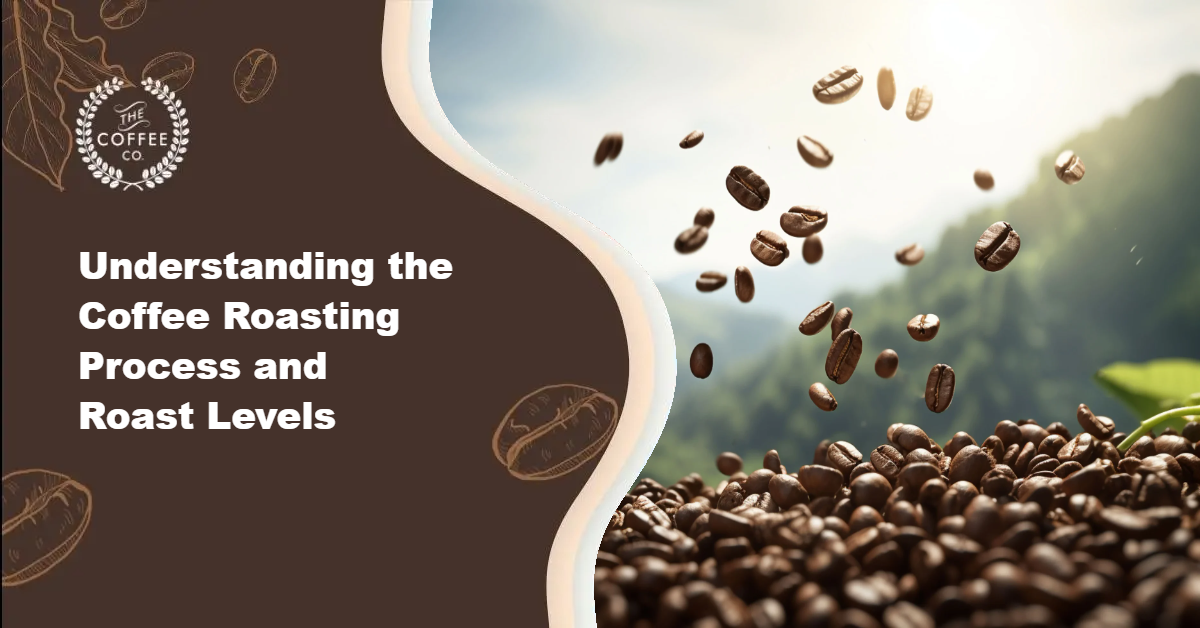
The coffee roasting process starts with pale green beans. Heat drives out moisture, the beans swell, and familiar aromas form. Coffee roasting temperature and time decide the roast. Light roast beans stay dense, while dark roast beans turn lighter and puffier, often with natural oil. Medium sits between them on the scale of coffee bean roast levels. Careful green coffee bean roasting protects the flavor that builds loyalty.
Light Roast Coffee Flavor, Aroma and Mouthfeel
Light roast coffee beans keep more of the original bean, so the cup tastes delicate. A light roast flavor profile often includes:
- Bright, crisp flavor with lively coffee acidity.
- Fruity, floral and herbal notes.
The body feels thinner, and the light roast aroma smells fresh. Growing region and processing method matter, because light roast lets origin speak.
Dark Roast Coffee Flavor and Bold Characteristics
Dark roast coffee beans taste bold and robust because longer, hotter roasting reshapes the original flavors.
- Smoky, toasty and nutty flavors, often with chocolate notes.
- A fuller mouthfeel and stronger roasted character.
Dark roast aroma differs by bean. Some drinkers find dark roast more bitter, and grind size and water temperature add to that. Roast acidity mellows, and careful roast brewing keeps the cup balanced.
Caffeine Content and What Actually Changes With Roasting
Many assume dark roast packs more caffeine, yet light roast caffeine content and dark roast caffeine content sit close together. Caffeine in coffee beans occurs naturally, and roasting shifts it only slightly.
Measuring by weight is fairer than measuring by scoop, because dark beans are lighter. Bean variety and brewing method shape coffee caffeine levels too, and a typical cup delivers a moderate amount. Plain facts like these keep The Coffee Co. guidance dependable.
Healthiest Choice Between Light and Dark Roast
The healthiest choice between light and dark roast depends on the whole cup, since research points to benefits in both.
- Moderate coffee drinking is linked with lower inflammation and lower type 2 diabetes risk.
- Chlorogenic acid in coffee and coffee polyphenols act as antioxidants, and light roast may keep more.
- Melanoidins form during roasting and add to coffee antioxidants.
- Some studies report less acrylamide in roasted coffee at darker roast levels.
- Cream and sugar can change the drink more than roast does.
Most research is observational, so it shows patterns across groups.
Brewing Methods That Highlight Different Roast Profiles
Roast specific brewing lets each bean show its best side. The best brewing method for light roast is usually pour-over or drip, which keep delicate notes clear. Dark roast espresso and milk or cream based drinks suit bolder flavor, while cold brew and French press work with either roast. Coffee brewing techniques such as grind size, water temperature, time and ratio change how bitter or bright a cup tastes.
Light Roast vs Dark Roast: Key Differences at a Glance
Differences in coffee flavor show up when the two roasts sit side by side.
- Light roast: It roasts at a lower temperature for a shorter time, which leaves beans denser. The taste is bright and fruity, with more noticeable acidity and a thinner mouthfeel. Caffeine measures slightly higher in some tests, and pour-over and drip suit it.
- Dark roast: It roasts at a higher temperature for a longer time, which leaves beans lighter and more expanded. The taste is bold and chocolatey, with lower acidity and a fuller mouthfeel. Caffeine measures slightly lower in some tests, and espresso and milk-based drinks suit it.
Light roast suits drinkers who enjoy nuance, and dark roast suits those who enjoy depth. Medium roast coffee offers a balanced middle.
Conclusion
The light roast vs dark roast question comes down to roasting time and temperature, which shape flavor, body, caffeine and plant compounds. Both roasts have real strengths, and knowing roast level differences makes choosing easier. Trying different beans and brewing methods helps each drinker find a favorite. This coffee roast comparison reflects the appreciation for authenticity that The Coffee Co. brings to every cup.
FAQs
What is the difference between light medium and dark roast coffee?
Light roast tastes bright and fruity, medium roast sits in the middle with balanced sweetness and body, and dark roast tastes bold and smoky. Roasting time and temperature create these differences.
Which coffee roast has the strongest flavor?
Dark roast usually tastes the boldest because longer roasting builds a stronger roasted character. Light roast tastes the most vivid, with lively fruity and floral notes.
Does dark roast coffee contain more caffeine than medium roast?
Only slightly, and the gap is small enough to overlook in a regular cup. Measuring beans by weight gives the fairest comparison.
Which coffee roast is best for espresso?
Dark roast is a popular espresso choice because its rich, bold flavor comes through clearly. Many baristas also enjoy medium roasts for a sweeter, more balanced shot.
How does roasting affect coffee aroma and acidity?
Roasting builds the aroma as heat develops the flavor compounds inside the bean. Acidity softens as roasting deepens, so light roasts taste brighter and dark roasts taste rounder.
Which roast is better for milk-based coffee drinks?
Dark roast suits milk-based drinks because its bold flavor holds up beside the milk. The fuller body also keeps the coffee taste present in every sip.
Does dark roast coffee taste more bitter than medium roast?
Often it does, since longer roasting adds a stronger roasted edge. Grind size, water temperature and brewing time also shape how bitter a cup tastes.
How does the roasting process affect coffee beans?
Roasting removes moisture, expands the beans and turns them from green to brown. It also builds the aroma and flavor, and darker roasts develop natural oils on the surface.
Which coffee roast is best for beginners?
Medium roast is a friendly starting point because it balances sweetness, body and acidity. It offers a gentle introduction before exploring lighter or darker profiles.
How can I choose the right coffee roast for my taste?
Start with the flavors you enjoy, such as fruity and bright or bold and chocolatey, and match them to a roast. Trying a few roasts with your usual brewing method makes the choice clear.
Related Post
- coffee pods, Uncategorized
Coffee grind size refers to how fine or coarse the coffee beans are broken down before brewing, and it plays
- coffee machines
Whole bean coffee vs ground coffee comes down to a simple question: when does the grinding happen? Grinding opens up
- coffee pods
Over-extraction in coffee happens when water pulls too much from the grounds, and the cup turns bitter, dry or harsh