Coffee Myths vs Facts: What Should You Actually Believe?
Coffee Myths vs Facts: What Should You Actually Believe?

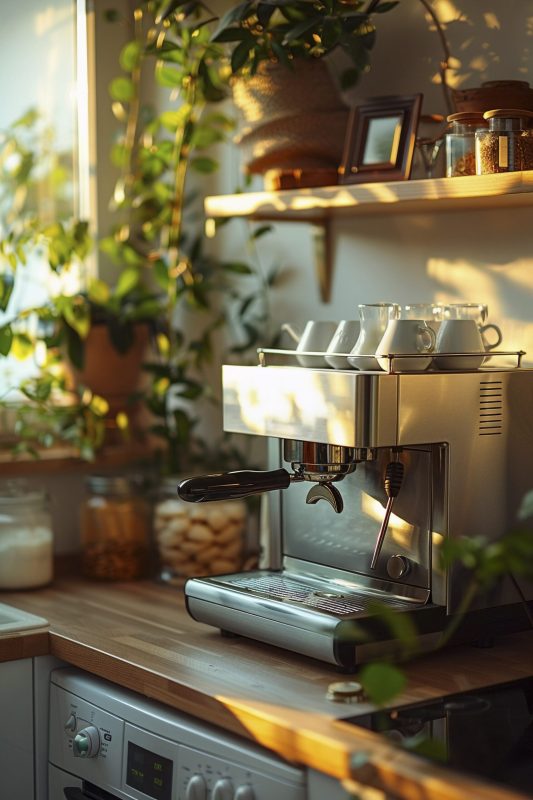
- Automatic coffee machine
Bringing these five myths together makes the pattern clear: coffee facts often sit somewhere between popular belief and oversimplified rejection.
- Dark roast has more caffeine vs Caffeine content depends on several factors, and roast level alone does not tell the whole story
- Coffee always dehydrates you vs Moderate coffee consumption can contribute to daily fluid intake
- Freshly roasted coffee is always better immediately vs Coffee generally benefits from some resting after roasting
- Boiling water burns coffee vs Water temperature affects extraction, and “burning” is an oversimplification
- Freezing always ruins coffee vs Proper freezing can help preserve coffee when storage is handled correctly
Reading coffee myths and facts side by side like this turns scattered coffee brewing facts into something easier to act on, helping customers make informed choices rather than relying on repeated assumptions, which in turn builds long-term brand trust.
Conclusion
These five coffee myths debunked here show that repetition does not equal accuracy. Roast level, hydration, freshness, water temperature, and storage each involve more nuance than common coffee myths suggest. Evaluating brewing method, coffee beans, and preparation variables against reliable evidence leads to better decisions and better cups. The Coffee Co encourages readers to look past assumptions and toward coffee brewing myths with a more informed eye.
FAQs
What are the most common myths about coffee?
Common myths include claims about caffeine and roast level, dehydration, freshness timing, brewing temperature, and freezing.
Does dark roast coffee have more caffeine than light roast?
Not reliably. Caffeine content depends on bean variety, brewing method, and measurement, not roast colour alone.
Does drinking coffee actually cause dehydration?
Moderate coffee consumption contributes to fluid intake and does not typically cause dehydration.
Should coffee beans be used immediately after roasting?
No. Beans generally benefit from a short resting period to allow carbon dioxide to escape.
How long should coffee rest after roasting?
Resting time varies by roast level and brewing method, so there is no single fixed period.
Does boiling water ruin coffee?
Boiling water is not automatically harmful, though it needs to be balanced with grind size and brew time.
What is the best water temperature for brewing coffee?
The ideal range depends on the brewing method, since different methods extract flavour differently.
Is it okay to freeze coffee beans?
Yes, when beans are stored in an airtight container and not repeatedly exposed to air.
Does freezing coffee keep it fresh longer?
It can slow flavour degradation, provided storage conditions are handled correctly.
What is the biggest misconception about coffee?
That popular repeated claims are automatically accurate, when many require more context than they suggest.
Related Post
- coffee machines
Understanding descaling vs cleaning a coffee machine forms the foundation of excellent coffee machine hygiene and consistent beverage quality. Cleaning

- coffee pods, Uncategorized
Coffee grind size refers to how fine or coarse the coffee beans are broken down before brewing, and it plays
- coffee pods
The coffee roasting process starts with pale green beans. Heat drives out moisture, the beans swell, and familiar aromas form.