Whole Bean Coffee vs Ground Coffee: Understanding the Differences
Whole Bean Coffee vs Ground Coffee: Understanding the Differences
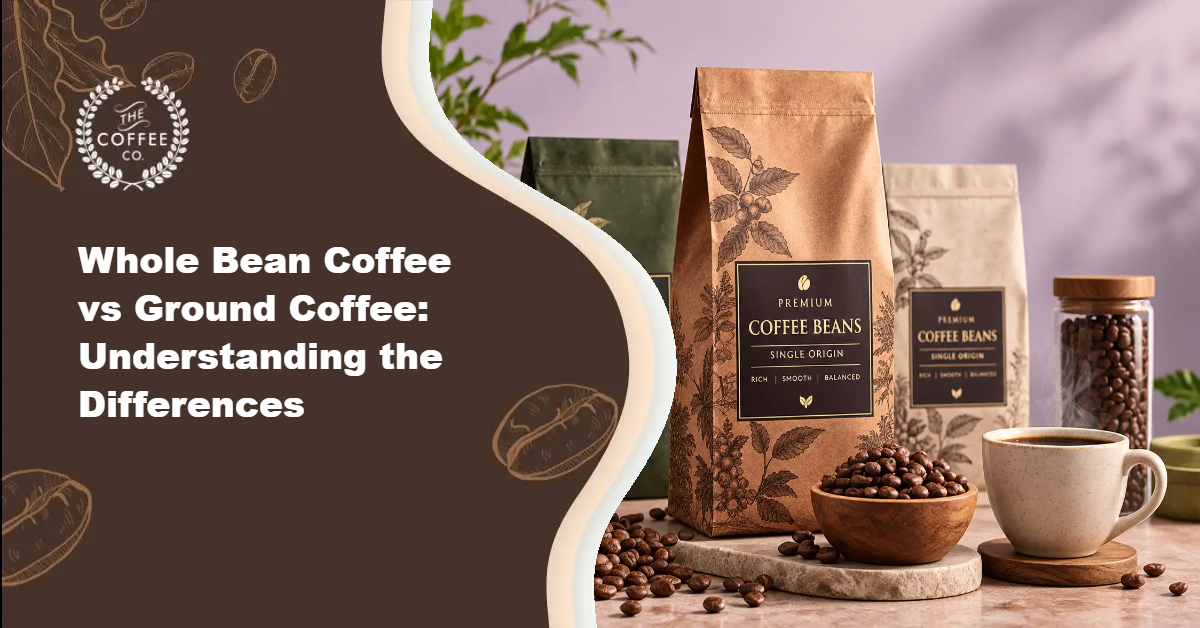
- coffee machines
Whole bean coffee vs ground coffee comes down to a simple question: when does the grinding happen? Grinding opens up the bean and lets air reach it, so the format changes how fresh and aromatic the cup turns out. Grind control, convenience, storage and cost round out the comparison, and knowing the trade-offs helps you buy the right format.
Whole Bean Coffee and Its Freshness Benefits
Whole bean coffee is roasted coffee sold intact, and that shell protects whole bean freshness until grinding day.
- Open a bag of freshly roasted beans and the aroma fills the room.
- Grinding just before brewing carries that aroma into the cup, which supports coffee aroma retention and coffee flavor preservation.
- A roast date shows how recent the batch is.
- Whole beans let you pick coarse or fine grounds to suit your brewer.
The Coffee Co. treats this transparency as part of authentic coffee, which keeps customers returning.
Ground Coffee and Its Convenience for Everyday Use
Ground coffee benefits anyone who wants a good cup quickly, since the beans arrive already milled to a set size. Pre ground coffee goes straight into the filter or machine on a busy morning.
The trade-off is air. Ground particles expose more surface, so aroma and flavor fade sooner, and ground coffee storage in a sealed, cool container slows that change. Ready to brew coffee skips the grinding step and keeps everyday routines smooth.
Whole Bean vs Ground Coffee Differences in Freshness and Flavor
Whole bean vs ground coffee freshness shows up most clearly when the two sit side by side.
- Whole bean coffee: Beans stay fresher until grinding, and their aroma and flavor stay better protected until then. You control the grind size, and an airtight container keeps them in good shape. A grinder and a short grinding step come with the routine.
- Ground coffee: The grind size is already set, so the coffee is ready to use from the bag. Freshness declines faster after grinding, and flavor can shift after prolonged exposure to air. Careful storage after opening slows that shift.
Whole bean coffee offers stronger coffee aroma preservation and grind size control, while ground coffee offers coffee preparation convenience with simple equipment. Both formats deliver a good cup, and the better fit is yours to decide.
Grind Control and Coffee Quality After Grinding
Coffee grind size decides how quickly water pulls flavor from the coffee, so control over it shapes the cup. Coarse grounds suit a French press, fine grounds suit espresso, and grind consistency keeps extraction even.
Coffee particle size stays fixed in pre ground coffee, which limits adjustment. Grinding fresh coffee lets a bag of beans serve several brewers, and that flexibility earns a roaster trust.
Coffee Cost Storage and Everyday Convenience
Coffee purchasing tips start with cost, storage and convenience.
- Whole bean coffee cost includes a grinder investment, which pays off in fresher cups at home.
- Ground coffee cost stays simple, and the coffee is ready to brew.
- Airtight storage protects both formats from heat, moisture and light.
Choosing coffee beans in quantities that match how fast you drink keeps each batch fresh. Honest coffee selection factors and clear coffee storage needs show appreciation for the customer’s budget.
Choosing the Right Coffee Format for Your Preferences
Choosing whole bean coffee suits drinkers who value freshness and grind control, while choosing ground coffee suits those who value speed.
- Whole beans fit kitchens with a grinder and a few spare minutes.
- Ground coffee fits busy routines that call for a quick, ready cup.
Roast freshness matters either way, so check for a recent roast date. The best coffee format depends on your grinder, storage habits and how much coffee you drink. A fair coffee buying guide earns lasting trust.
Conclusion
Whole bean coffee benefits center on freshness, aroma and grind control, while ground coffee convenience centers on speed and simplicity. Coffee freshness and flavor shift after coffee grinding, and cost and storage add practical weight. The right format depends on your preferences and preparation habits. The Coffee Co. appreciates every way people enjoy coffee.
FAQs
What is the difference between whole bean coffee and ground coffee?
Whole bean coffee is sold intact, while ground coffee is milled to a set size.
Is whole bean coffee fresher than ground coffee?
Yes, intact beans stay fresher because grinding exposes more surface to air.
Does grinding coffee affect its flavor?
Yes, grinding speeds up flavor change, so fresh grinding delivers the fullest taste.
Why does freshly ground coffee have more aroma?
Grinding releases aromatic compounds just before brewing, so they reach the cup.
Is whole bean coffee more expensive than ground coffee?
Prices vary by brand and pack size, and a grinder adds an upfront cost.
How should whole bean coffee be stored?
Keep beans in an airtight container away from heat, moisture and light.
How should ground coffee be stored after opening?
Reseal it tightly and keep it cool and dry.
Do I need a grinder to use whole bean coffee?
Yes, whole beans need grinding before brewing.
Which coffee format is more convenient for everyday use?
Ground coffee is more convenient because it arrives ready to brew.
How do I choose between whole bean and ground coffee?
Choose whole beans for freshness and control, or ground coffee for speed and ease.
Related Post

- coffee pods
Over-extraction in coffee happens when water pulls too much from the grounds, and the cup turns bitter, dry or harsh
- coffee machines
How long coffee beans last depends on roast date, packaging and storage. Coffee typically stays safe to drink long after

- Automatic coffee machine
Why coffee makes the perfect corporate gift comes down to daily ritual and lasting quality. Corporate coffee gifts turn a