Why Your Coffee Never Tastes Like a Café’s – A Practical Brewing Guide
Why Your Coffee Never Tastes Like a Café’s – A Practical Brewing Guide

- coffee machines
Many people invest in good beans and a reliable home coffee machine, yet the cup still falls short of café expectations. The issue rarely lies in a single mistake. It usually comes from small gaps in setup, technique, and daily habits that add up over time. This guide from The Coffee Co. breaks down those gaps in a practical way, helping home brewers understand what really changes the outcome when using a coffee machine at home or choosing coffee machines for home use.
The Real Difference Between Café Coffee and Home Coffee
Cafés deliver consistent coffee because their process is built around control and repetition.
Professional setups rely on a calibrated coffee brewing system where grind size, dose, water, and time are adjusted daily to suit the beans. Baristas also follow clear workflows that remove guesswork from every step.
At home, the gap appears when a coffee brewing machine is used without proper setup or understanding of what is coffee brewer fundamentals. The result is uneven extraction rather than poor ingredients.
A common comparison helps clarify this difference.
Café setup vs Home setup.
Café setup focuses on consistency through routine checks, stable equipment, and trained handling of variables. Home setup often depends on default settings and casual adjustments, which changes results from cup to cup.
Both approaches can produce good coffee, and the choice depends on how much control and repeatability the brewer wants to manage.
For The Coffee Co., closing this gap supports better daily experiences, which strengthens trust and long-term brand loyalty.
Grind Size & Freshness – Where Most Home Brewers Go Wrong
Freshly ground coffee is one of the strongest predictors of better taste.
When beans are ground just before brewing, aroma and oils remain intact. Pre-ground coffee loses these qualities quickly, even when stored carefully.
Grind consistency also matters. A coffee brewer machine performs best when particles are even, allowing water to extract flavor at the same pace. This is why many coffee making products focus on grinding as much as brewing. Choosing the best coffee for a coffee machine starts with how it is ground, not just the beans themselves.
This attention to freshness reflects The Coffee Co.’s focus on respect for ingredients, leading to better satisfaction and repeat engagement.
Brewing Method Matters More Than You Think
Different brewing methods highlight different qualities in coffee.
Drip systems emphasize clarity, espresso concentrates intensity, and manual brewers offer flexibility. Cafés adjust recipes daily to suit each method, fine-tuning their coffee brewing machine for the beans in use.
At home, common mistakes include changing grind size without adjusting dose or ignoring brew time. Even a capable coffee machine brewer cannot compensate for mismatched settings.
Understanding the relationship between method and setup helps home brewers make informed choices, supporting consistency and stronger brand connection over time.
Is Your Home Coffee Machine Holding You Back?
Not every limitation comes from technique. Some entry-level machines restrict control over temperature, pressure, or extraction time.
What actually improves taste is not complexity but stability. Features that regulate water temperature, allow grind adjustment, or support even extraction make a noticeable difference. This applies whether using a coffee making machine for home or a simple domestic coffee maker.
A useful way to view this is control vs convenience.
Control prioritizes manual adjustments and learning the machine’s behavior. Convenience emphasizes speed and ease with fewer variables to manage.
Both offer benefits, and the better option depends on how involved the user wants to be in daily brewing.
The Coffee Co. positions clarity here as a way to help customers choose equipment that supports long-term satisfaction rather than short-term novelty.
Milk, Water & Ratios – The Overlooked Details
Milk texture and water quality often receive less attention than beans or machines, yet they shape the final cup.
Properly heated milk creates a smooth mouthfeel, especially when using a coffee machine for home with milk frother. Learning how to make coffee in coffee maker with milk involves controlling temperature and texture rather than simply adding volume.
Water also plays a role. Clean, balanced water allows flavors to come through without dullness or harshness. Cafés rely on specific brew ratios to maintain consistency, and small changes here can dramatically alter taste.
Focusing on these details reinforces The Coffee Co.’s emphasis on thoughtful preparation and appreciation for craft.
Simple Upgrades That Instantly Improve Home Coffee
Not every improvement requires new equipment.
A better grinder often delivers more impact than a new machine. Small habit changes also matter, such as measuring inputs consistently or cleaning equipment regularly.
Knowing when to upgrade machines versus technique helps avoid unnecessary purchases. Many easy to use coffee machines and good coffee makers for home use perform well when paired with disciplined habits and a better coffee maker workflow.
These incremental upgrades build confidence and deepen trust in the brewing process, encouraging ongoing engagement with the brand.
Building a Café-Style Coffee Routine at Home
Cafés follow a clear routine that prioritizes order and repeatability.
They warm equipment, prepare ingredients, brew, and clean in the same sequence every time. Home brewers using a coffee maker home use setup can benefit from adopting similar habits, even with an easy coffee machine or a basic coffee machine at home.
Consistency comes from repetition, not perfection. Over time, small refinements lead to reliable results.
For The Coffee Co., promoting routine over complexity supports lasting loyalty and a stronger relationship with everyday coffee drinkers.
FAQs
Why does my coffee at home taste different from café coffee?
Cafés control grind, water, ratios, and workflow more tightly, which leads to consistent extraction.
Does a better coffee machine really improve taste at home?
It helps when the machine offers stable temperature and control, but technique remains equally important.
What is the most common mistake people make when brewing coffee at home?
Ignoring grind consistency and freshness tends to create uneven flavor.
How important is grind size for good coffee?
Grind size directly affects extraction speed and balance, making it one of the most critical variables.
Can I make café-style coffee with a domestic coffee maker?
Yes, with proper setup, fresh coffee, and consistent habits.
Does milk quality affect the taste of home-brewed coffee?
Milk texture and temperature influence sweetness and mouthfeel significantly.
What brewing method gives results closest to café coffee?
Any method can, when correctly dialed in and repeated consistently.
How can I improve my coffee without buying a new machine?
Focus on grinding fresh, measuring inputs, and maintaining clean equipment.
What features should I look for in a home coffee machine?
Stable temperature, even extraction, and ease of consistent use matter most.
How long does it take to get consistent café-style coffee at home?
Consistency develops gradually through practice and routine rather than quick fixes.
Related Post

- Design trends
Top 7 popular coffee trends in 2026 reflect how coffee has moved beyond a daily habit into a complete lifestyle

- coffee machines
Coffee brewing temperature is one of the most direct and controllable factors shaping how every cup tastes, smells, and feels.
- Automatic coffee machine
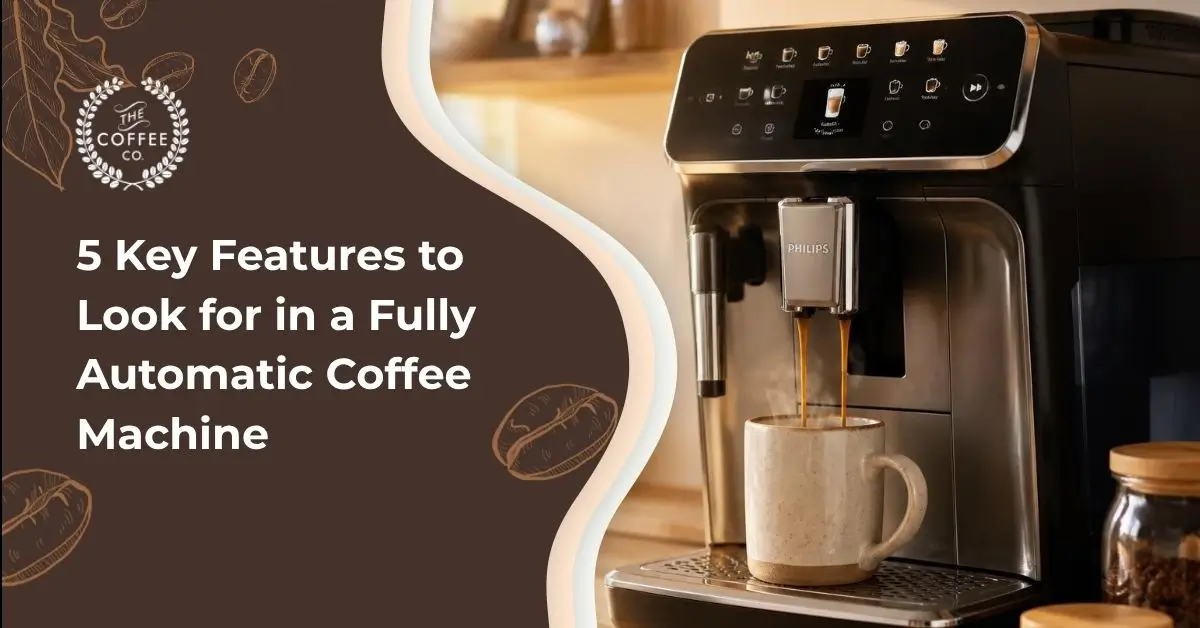
Understanding the right automatic coffee machine features makes the selection process considerably more straightforward than comparing spec sheets alone. Practical