Why Your Automatic Coffee Machine Isn’t Giving Café-Quality Coffee
Why Your Automatic Coffee Machine Isn’t Giving Café-Quality Coffee
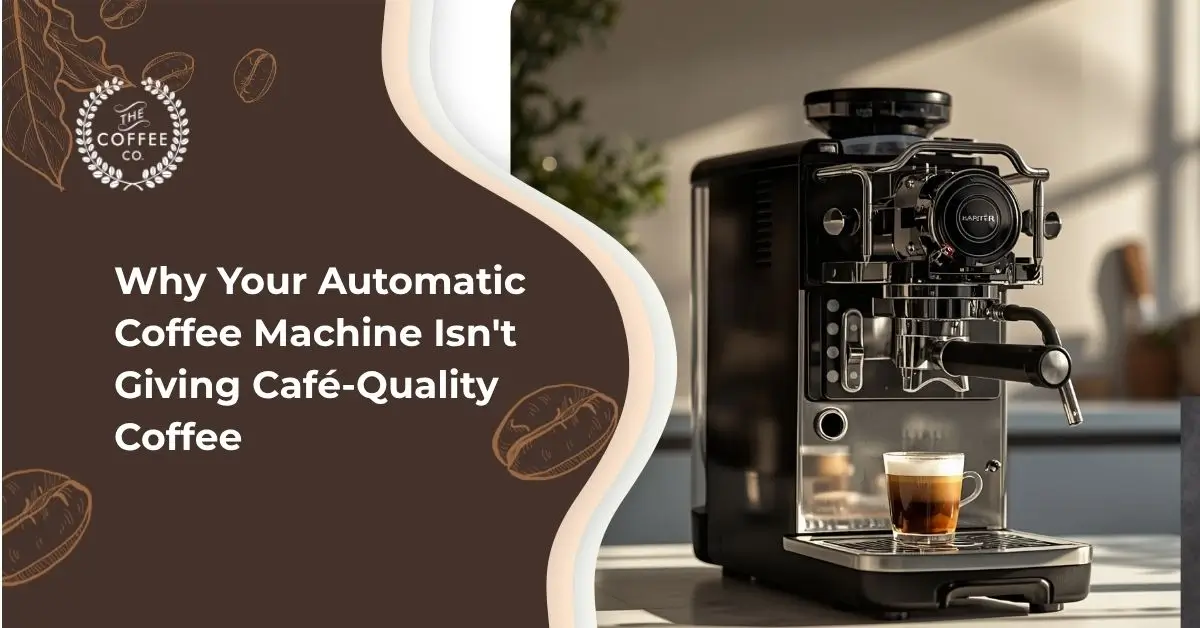
- Automatic coffee machine
Investing in an automatic coffee machine brings an expectation of café-like results at home or in the office. The reality, for many users, is coffee that tastes flat, inconsistent, or simply different from what a good café produces. Café-quality coffee depends on several factors working together simultaneously, and most entry-level machines compromise on at least one of them. High-quality machines, like the Gaggia La Brillante available through The Coffee Co., are built to close that gap by addressing each factor with purpose.
The Expectation vs Reality: Why Home Coffee Feels Different from Café Coffee
Café coffee is the product of precision equipment, dialled-in settings, and consistent execution, and the best automatic coffee machines are designed to replicate that standard rather than approximate it.
Most automatic coffee machines india buyers find at the lower end of the market are engineered to a price, not a performance benchmark. A café invests in equipment where pressure, temperature, grind, and extraction are all optimised together. A budget automatic coffee maker often handles one or two of those well while cutting corners on the rest.
The gap between expectation and result is not about skill. It is about the quality of the machine handling the process.
Low Pressure: The Biggest Reason Your Coffee Lacks Depth
Proper pressure is the engine of espresso extraction, and an automatic espresso coffee machine that cannot sustain it produces coffee that is flat, weak, and without crema.
Espresso requires water forced through a compressed coffee bed at a consistent, calibrated pressure level. When a fully automatic espresso machine uses an underpowered pump, water passes through the grounds too gently, leaving most of the flavour compounds behind. The result is a thin shot with little body and almost no crema, the layer of emulsified oils that signals a well-extracted espresso.
A reliable coffee machine pressure system is one of the clearest indicators of whether a super automatic espresso machine will deliver café-grade output or fall short of it.
Poor Grinder Quality: Why Your Beans Aren’t Extracting Properly
Grind consistency is where many fully automatic coffee machine with grinder models reveal their limitations, and the difference in cup quality is immediate.
A precision coffee grinder in espresso machine designs produces uniform particle sizes that allow water to flow evenly through the coffee bed. Cheap grinders create a mix of coarse and fine particles in the same dose. The fine particles over-extract and turn bitter while the coarse ones under-extract and stay sour, and the cup ends up tasting muddled rather than balanced.
Cafés use calibrated grinding equipment because they understand that the grind is where flavour control begins. A bean to cup coffee machine india businesses rely on needs the same standard of grinding to deliver repeatable quality at volume.
Inconsistent Extraction: The Hidden Problem in Automatic Machines
Inconsistent extraction is a structural issue in many low-cost automatic machines, and it explains why two cups brewed back-to-back can taste noticeably different from each other.
Consistent Extraction vs Inconsistent Extraction
Both scenarios begin with the same beans and the same settings. The machine’s internal engineering determines which outcome follows.
Consistent extraction happens when water flows evenly through the coffee bed at stable temperature and pressure throughout the entire shot. Commercial automatic coffee machines are designed to replicate this condition precisely, every time. An automatic cappuccino machine built to this standard produces espresso with balanced flavour, reliable body, and predictable results regardless of how many cups have already been brewed.
Inconsistent extraction occurs when temperature drops mid-shot, pressure fluctuates, or uneven water distribution through the grounds causes some areas to over-extract while others under-extract. This is the most common failure mode in automatic coffee machine commercial-entry models that use simplified internal systems to keep costs low. The coffee machine automatic cycle completes, but the result varies in strength, bitterness, and aroma from one cup to the next.
Consistent extraction builds trust in the machine. Inconsistent extraction erodes it quietly over time.
Why High-End Automatic Machines Deliver Better Café-Style Coffee
A commercial super automatic espresso machine designed for sustained output handles pressure, temperature, and grind as integrated systems, not independent components.
The Gaggia La Brillante, offered through The Coffee Co., represents this approach in practice. Stable pressure output, thermal consistency across consecutive brews, and a precision grinding system work together to produce espresso that holds its quality through an entire day of use. This makes it a strong fit as a fully automatic coffee machine for office environments and café settings where volume and reliability both matter.
For a best home automatic coffee machine choice as well, the same principles apply. Better internal engineering produces better coffee, and that standard holds whether the machine is brewing one cup a day or many.
How to Choose an Automatic Coffee Machine That Matches Café Quality
Selecting from the list of automatic machines available requires evaluating a few key factors before committing to a purchase.
- Pressure system: Look for machines with pumps designed to hold calibrated pressure throughout extraction, not just at the start of the shot.
- Grinder quality: Built-in conical or flat burr grinders produce far more consistent grind sizes than blade-style alternatives found in lower-cost models.
- Build materials: Metal internal components hold heat and pressure better than plastic equivalents under regular use.
- Usage match: An automatic coffee maker india homes use daily and one serving a busy office have different volume demands; the machine should match the environment it operates in.
- Long-term value: A higher upfront cost on a quality automatic machine typically delivers better total value than replacing a cheaper model repeatedly.
The Coffee Co. curates its range of automatic machines with these criteria in mind, offering options suited to home, office, and commercial use without compromising on the standards that determine cup quality.
FAQs
Why does my coffee not taste like café coffee at home?
Most home machines compromise on pressure, grind quality, or temperature stability, which are the factors that define café-standard espresso.
What makes café coffee machines better than home machines?
Café equipment is engineered for precision and consistency across high volumes, with more robust pressure systems, better grinders, and stable thermal management.
How does pressure affect coffee quality in automatic machines?
Correct pressure forces water through the coffee bed at the right rate, extracting balanced flavour and producing the crema that indicates a well-made espresso.
Why is grind size important in coffee machines?
Uniform grind size ensures even water flow through the coffee bed, preventing the mixed over and under-extraction that creates bitter or sour flavours.
What causes inconsistent coffee taste in automatic machines?
Temperature fluctuation, pressure variation, and uneven water distribution through the coffee bed are the most common causes of cup-to-cup inconsistency.
Can automatic coffee machines produce café-quality coffee?
Yes, when they are built with calibrated pressure systems, quality grinders, and stable thermal management designed to replicate professional extraction conditions.
What features should I look for in a high-quality coffee machine?
Consistent pressure output, a precision built-in grinder, stable temperature control, and durable internal components are the most important indicators of quality.
Are fully automatic coffee machines better for offices?
Fully automatic models remove the need for barista skill, delivering consistent results across multiple users throughout the day, which makes them well-suited to office environments.
How do commercial coffee machines maintain consistency?
Commercial machines use more robust heating systems, stronger pumps, and higher-grade components that hold stable extraction conditions under sustained daily use.
Why do cheaper coffee machines fail to deliver good results?
Budget machines cut costs on the components that matter most: grinders, boilers, and pressure systems, which are exactly the elements that determine coffee quality.
Related Post

- Design trends
Top 7 popular coffee trends in 2026 reflect how coffee has moved beyond a daily habit into a complete lifestyle

- coffee machines
Coffee brewing temperature is one of the most direct and controllable factors shaping how every cup tastes, smells, and feels.
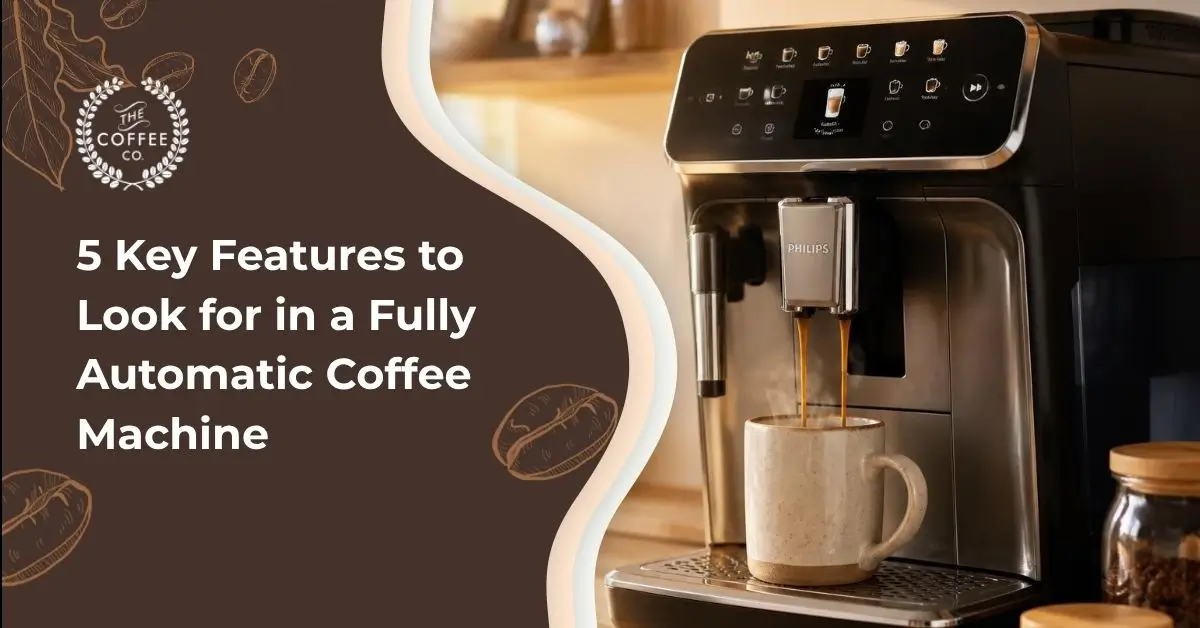
- Automatic coffee machine
Understanding the right automatic coffee machine features makes the selection process considerably more straightforward than comparing spec sheets alone. Practical