What Does a Coffee Grinder Actually Do and Why It Matters So Much
What Does a Coffee Grinder Actually Do and Why It Matters So Much
- coffee machines
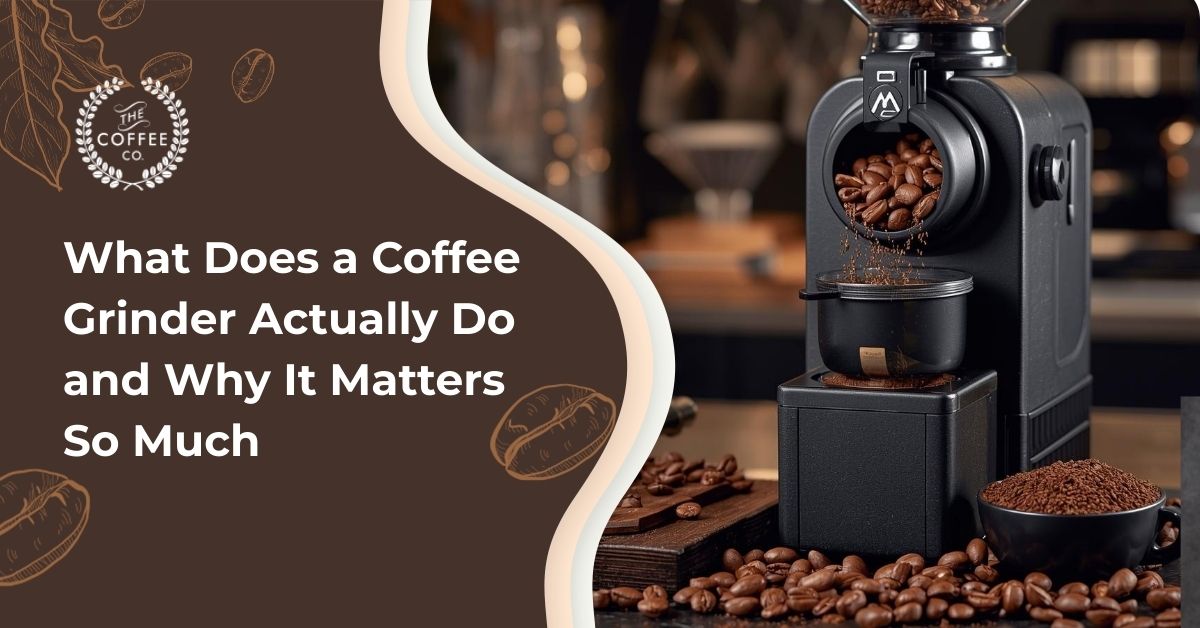
The coffee grinder is the most consequential piece of equipment in a brewing setup, yet it is consistently the last thing buyers think about. Most of the flavor potential in a bag of quality beans is determined not by the machine that brews them but by how consistently they are ground before water touches them. A quality coffee grinder converts whole beans into particles of the right size and uniformity for the brewing method in use, and that conversion directly shapes what ends up in the cup. This guide explains what grinders do, why consistency matters, and how to choose the right one for home, office, or commercial use.
What a Coffee Grinder Actually Does
A coffee bean grinder machine breaks whole roasted beans into smaller particles through mechanical force, producing grounds that water can extract flavor from during brewing. The goal is not simply to make the beans smaller; it is to produce particles of consistent size that allow water to extract evenly across the entire dose.
The coffee burr is the component responsible for this precision in quality grinders. Two abrasive surfaces, either flat or conical, rotate against each other and cut beans into uniform particles rather than smashing them. This cutting action preserves the bean’s volatile aromatic compounds better than impact-based grinding methods.
Every brewing method has an optimal particle size range. Espresso requires a fine, consistent grind; French press requires coarse; filter sits between the two. A coffee beans grinder machine that produces the right particle size for the method in use is the foundation that everything else in the brewing process builds on.
Why Grind Consistency Matters More Than You Think
Grind consistency is the variable that separates a good cup from a frustrating one, even when the beans, machine, and water are all excellent. When a grinder produces particles of varying sizes, water extracts from fine particles quickly and from coarse particles slowly, creating both over-extracted bitter compounds and under-extracted sour ones in the same cup simultaneously.
A best grinder coffee setup eliminates this problem by producing a uniform particle distribution where water contacts all grounds under the same conditions. The extraction proceeds evenly, and the cup reflects the bean’s intended flavor rather than a mixture of conflicting extraction outcomes.
Good coffee bean grinder performance is the reason specialty coffee professionals invest in grinders that cost more than their brewing equipment. The grinder’s output determines the ceiling for what the brewing method can achieve, which makes it the most leverage-rich point of improvement in any coffee setup.
Types of Coffee Grinders for Home Use
Home grinders range from compact manual options to capable electric models suited to daily use.
- Small electric coffee grinder: Blade-based or entry-level burr units suited to occasional home use; convenient and compact but with less consistency than premium burr models
- Best home electric coffee grinder: Burr-based electric grinders that produce consistent particle distribution for daily brewing across filter and espresso methods
- Domestic coffee grinder: A broad category covering countertop grinders designed for household volumes, with grind size adjustment suited to one or two brewing methods
- Battery operated coffee grinder: Portable, cordless units suited to travel or occasional use where mains power is unavailable; practical for specific use cases but limited for daily high-volume grinding
- Regular coffee grinder: A reliable mid-range burr grinder suited to filter and pour-over brewing, providing meaningful consistency improvement over blade alternatives
The Coffee Co’s grinder range includes options across these categories, with selections focused on daily usability and extraction quality for Indian home environments.
Automatic Coffee Grinders and Burr Technology
An automatic coffee grinder motorises the grinding process, producing grounds at the press of a button without manual operation. The convenience is practical for daily use, but the mechanism inside determines whether the output is consistent enough to make a difference.
Automatic burr coffee grinder models use the same cutting surface principle as manual burr grinders, driven by a motor for speed and repeatability. The burr geometry, whether flat or conical, affects the particle shape and distribution, with conical burrs generally producing less heat during grinding and preserving aromatics more effectively.
Grinder automatic setups in bean-to-cup machines and standalone grinders both benefit from burr technology over blade mechanisms. Automatic grinders with adjustable burr settings give users control over grind size across brewing methods, which means a single machine can serve both espresso and filter brewing without compromise.
Coffee Grinders in Coffee Machines
A coffee machine with a grinder integrates the grinding step directly into the brewing cycle, eliminating the need for a separate appliance and ensuring beans are ground immediately before extraction. This integration preserves freshness because ground coffee begins losing aromatics within minutes of grinding.
A coffee machine that grinds beans internally suits users who want a streamlined setup without managing two separate devices. Bean-to-cup machines automate both steps in sequence, grinding on demand and then brewing immediately, which produces noticeably fresher results than pre-ground coffee used in the same machine.
The best coffee machine grinder setups offer adjustable grind settings that allow the user to calibrate the output to their taste preference and chosen brew style. Coffee machine grinder quality determines the flavor ceiling of the entire machine, which is why it is worth understanding the grinder mechanism inside a bean-to-cup unit before purchasing.
Commercial Coffee Grinders and Heavy-Duty Use
A commercial coffee grinder machine is built for the volume, speed, and precision demands of café and hospitality environments. The components are heavier, the motors are more powerful, and the burr surfaces are larger, producing higher throughput without the heat buildup that smaller grinders experience under continuous use.
Commercial coffee equipment investments in grinders are justified by the direct impact on cup consistency at scale. A café producing hundreds of espresso shots daily needs a grinder that holds its calibration, dissipates heat efficiently, and delivers the same particle distribution at the end of a busy service as at the beginning.
A big coffee grinder in a commercial setting also reduces staff workflow friction. Faster grinding cycles and larger hoppers mean less interruption during busy periods, which contributes to service efficiency and the consistency that keeps customers returning.
Choosing the Right Coffee Grinder in India
Selecting a coffee grinder in India involves matching the grinder type to the brewing method, daily volume, and available counter space, alongside practical considerations around service and parts availability.
- For filter coffee: A filter coffee grinder with coarser grind range and consistent particle output suits the South Indian filter tradition and pour-over brewing equally well
- For home : A burr grinder with stepless or fine-step adjustment produces the precision that espresso extraction requires
- For office : An automatic burr grinder with a larger hopper capacity handles multi-user environments without constant refilling
- For commercial use: A commercial coffee grinder with appropriate throughput capacity and heat management suits the demands of café and restaurant service
Coffee grinder machine India availability has grown alongside the specialty coffee market, and coffee accessories India now includes a meaningful range of grinders, cleaning tools, and replacement burrs through retailers like The Coffee Co. Choosing a grinder with local service support makes long-term ownership more practical and protects the investment in the brewing setup as a whole.
FAQs
What does a coffee grinder actually do in the brewing process?
It breaks whole beans into consistent particles that water extracts flavor from; particle size and uniformity determine how evenly the extraction proceeds.
Why does grind consistency affect coffee taste so much?
Inconsistent particles extract at different rates simultaneously, producing both over- and under-extracted compounds in the same cup.
Is a coffee bean grinder machine necessary for home brewing?
For methods like espresso and filter coffee, a grinder significantly improves flavor quality compared to pre-ground coffee; it is the most impactful equipment upgrade available.
What is the difference between a regular coffee grinder and a burr grinder?
Burr grinders cut beans between two abrasive surfaces for consistent particle size; blade grinders chop randomly, producing uneven results.
Are automatic coffee grinders better than manual ones?
Automatic grinders offer speed and repeatability for daily use; manual grinders suit travel or occasional brewing where portability matters more than convenience.
Can a small electric coffee grinder give good results at home?
Yes, provided it uses burr rather than blade technology; a small burr grinder produces meaningfully better consistency than a blade unit of any size.
How does a coffee machine with a grinder work internally?
It grinds a measured dose of beans on demand immediately before the brewing cycle begins, preserving freshness and producing consistent extraction in a single automated sequence.
Why do cafés use commercial coffee grinder machines?
High daily volumes, heat management needs, and consistency requirements across hundreds of shots demand components built beyond home grinder specifications.
What type of grinder is best for filter coffee?
A burr grinder with a coarser grind range and consistent particle distribution at that range suits filter brewing, including both South Indian filter and pour-over methods.
How do I choose the right coffee grinder in India?
Match grind range to brewing method, consider daily volume and counter space, and prioritise local service availability for long-term reliability.
Related Post

- Design trends
Top 7 popular coffee trends in 2026 reflect how coffee has moved beyond a daily habit into a complete lifestyle

- coffee machines
Coffee brewing temperature is one of the most direct and controllable factors shaping how every cup tastes, smells, and feels.
- Automatic coffee machine
Understanding the right automatic coffee machine features makes the selection process considerably more straightforward than comparing spec sheets alone. Practical