Top 7 Mistakes People Make While Using Coffee Machines
Top 7 Mistakes People Make While Using Coffee Machines

- coffee machines
Most coffee disappointments trace back to avoidable errors in technique, equipment use, or maintenance. A coffee machine performs only as well as the habits surrounding it, and small missteps compound into consistently flat or inconsistent results. The Coffee Co. builds its range to support better brewing, but the machine alone cannot compensate for poor practice. This guide covers the most common mistakes and how correcting each one immediately improves the cup.
Why Using a Coffee Machine Correctly Matters
A dual boiler espresso machine or a well-built coffee maker machine with a grinder represents a meaningful investment, and proper use protects both the machine and the quality of every brew. Consistent technique leads to consistent flavor, lower maintenance costs, and a longer operational lifespan for the equipment.
Mistake 1: Using Low-Quality or Stale Coffee Beans
Fresh beans are the foundation of every good cup, and their quality sets a ceiling that technique and equipment cannot raise. A coffee bean grinder coffee maker combination delivers its best results only when the beans entering the grinder are fresh and properly stored.
- Poor storage accelerates staling, stripping beans of the aromatic compounds that define good coffee
- Wooden coffee storage containers regulate humidity and protect beans from light and air exposure far better than open bags or generic containers
- Pre-ground coffee loses freshness rapidly and produces noticeably flatter results compared to beans ground just before brewing
Mistake 2: Using the Wrong Grind Size
Grind size controls extraction speed, and using the wrong setting for a given brewing method produces either a sour, underdeveloped cup or a harsh, bitter one. An automatic burr coffee grinder delivers uniform particle sizes that extract evenly, unlike blade-based alternatives that create inconsistent fragments.
- Fine grind suits espresso, where contact time is short, and pressure is high
- Coarse grind suits filter and immersion methods, where water and grounds spend more time together
- A capresso spice grinder handles spices and specialty ingredients, but is not a substitute for a dedicated coffee grinder when consistency matters
Mistake 3: Ignoring Water Temperature
Water temperature determines how efficiently flavor compounds move from the grounds into the cup. The ideal brewing range sits between 90 and 96 degrees Celsius for most methods.
- Water below this range extracts too slowly, producing a weak and underdeveloped cup
- Water above this range pulls bitter compounds before sweeter notes fully develop
- A dual boiler espresso machine maintains separate temperature control for brewing and steaming, making precise extraction far more achievable than single-boiler alternatives
Mistake 4: Not Measuring Coffee and Water Properly
Inconsistent ratios produce inconsistent results, and guessing quantities is the most common reason a previously good cup becomes difficult to replicate. Understanding how much milk to put in coffee also falls into this category, as milk ratios shape the balance of milk-based drinks just as much as the coffee itself.
- Too much coffee concentrates bitterness and overwhelms other flavor notes in the cup
- Too little coffee produces a watery, lifeless result regardless of bean quality or machine capability
- A kettle-type heat exchanger supports stable brewing temperature, complementing accurate measurement with consistent thermal performance
Mistake 5: Using the Wrong Coffee Machine Type
Choosing a machine that does not match the intended use limits quality from the outset. A filter coffee maker steel body suits high-volume drip brewing but is not designed for espresso-style extraction, and using it that way produces predictably poor results.
Dual Boiler vs Single Boiler Espresso Machines
The choice between boiler configurations significantly affects brewing precision and workflow.
- Dual Boiler: Features independent chambers for brewing and steaming, allowing simultaneous use with precise temperature control. Ideal for high-volume settings or enthusiasts prioritizing consistency.
- Single Boiler: Uses one chamber for both tasks, requiring a temperature transition between brewing and steaming. A cost-effective, space-saving choice for casual, lower-volume users.
Both serve their intended users well. A dual boiler suits those who prioritize precision and workflow, while a single boiler suits those who value simplicity and lower upfront investment.
Mistake 6: Ignoring Equipment Quality
Reliable equipment is the infrastructure behind consistent coffee.
- Inconsistent grinders produce uneven extraction regardless of technique or bean quality
- Sourcing from trusted suppliers, including resources like Seattle Coffee Gear, helps buyers match the right equipment to their specific brewing needs
A KitchenAid coffee grinder attachment brings convenience to existing kitchen setups, while purpose-built grinders and machines from established sources deliver the precision that better coffee demands.
Mistake 7: Incorrect Milk Steaming Techniques
- Steaming milk for latte preparation requires a controlled technique, and overheating is the most common error that destroys both texture and sweetness.
- Properly steamed milk creates a smooth, integrated microfoam rather than large bubbles that sit separately from the espresso.
- The best milk for foam is full-fat or barista-blend milk, which produces a stable, silky texture that integrates well with espresso
- Knowing how much milk to put in coffee depends on the drink being prepared, and consistency here improves the balance of every milk-based cup
Mistake 8: Poor Cleaning and Maintenance
Residue buildup inside a machine alters flavor and reduces operational performance over time.
- Regular descaling prevents scale buildup that narrows internal pathways and reduces heating consistency
- A coffee maker machine with a grinder requires cleaning across both the brewing and grinding components to maintain full performance
- Cleaning an espresso machine with vinegar is a practical descaling method that removes mineral deposits and restores thermal efficiency without the need for specialist products.
How to Improve Your Coffee Routine
- Use fresh beans stored in quality containers and grind them immediately before brewing
- Clean the machine and grinder regularly, and descale on a consistent schedule
- Calibrate grind size and brew ratios to the specific method being used
- Practice steaming technique using the best milk for foam to build consistency in milk-based drinks
Correcting these mistakes requires consistent habits rather than expensive upgrades. The Coffee Co. supports this with equipment and guidance suited to every stage of the brewing process.
FAQs
What is the most common mistake when using a coffee machine?
Using stale beans or the wrong grind size are the two errors that most consistently and immediately affect cup quality.
What grind size should I use for espresso machines?
A fine, consistent grind produced by an automatic burr coffee grinder delivers the best results for espresso extraction.
How often should I clean my coffee machine?
Daily rinsing of contact parts and a weekly deep clean, combined with monthly descaling, keeps performance consistent.
Can I clean an espresso machine with vinegar?
Cleaning an espresso machine with vinegar is an effective descaling method that removes mineral deposits and restores internal efficiency.
What is the best milk for coffee foam?
Full-fat or barista-blend milk produces the most stable and silky microfoam for latte and cappuccino preparation.
How do I steam milk properly for a latte?
Steaming milk for a latte requires positioning the steam wand just below the surface and maintaining a consistent circular motion to build microfoam.
What type of coffee machine is best for home use?
The right machine depends on preference and volume, but a dual-boiler espresso machine suits those who prioritize precision and daily espresso quality.
How do I store coffee beans to keep them fresh?
Wooden coffee storage containers protect beans from light, air, and humidity, preserving freshness significantly longer than open or transparent packaging.
What is the ideal coffee-to-water ratio?
The ideal ratio varies by method, but consistent measurement using the same tools each time is more important than the specific number chosen.
Why does my coffee taste bitter or weak?
Bitterness points to over-extraction from too fine a grind or too high a temperature, while weakness points to under-extraction from the opposite conditions.
Related Post

- Design trends
Top 7 popular coffee trends in 2026 reflect how coffee has moved beyond a daily habit into a complete lifestyle

- coffee machines
Coffee brewing temperature is one of the most direct and controllable factors shaping how every cup tastes, smells, and feels.
- Automatic coffee machine
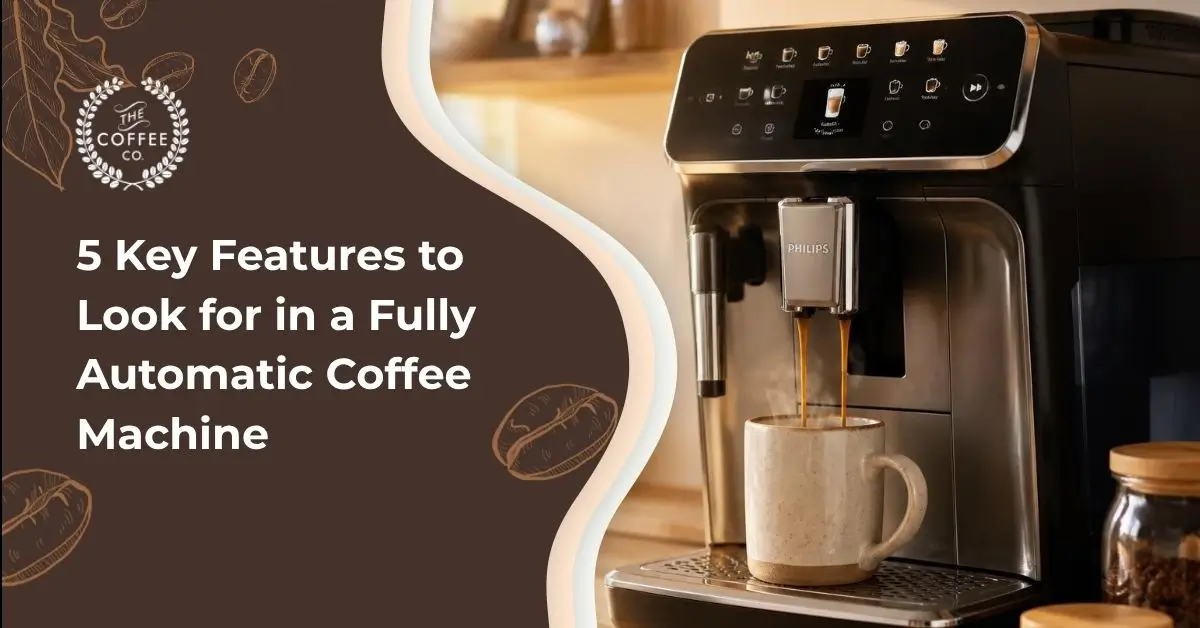
Understanding the right automatic coffee machine features makes the selection process considerably more straightforward than comparing spec sheets alone. Practical