How Does Coffee Roasting Affect Flavor?
How Does Coffee Roasting Affect Flavor?

- coffee machines
How coffee roasting affects flavor is one of the most important questions any coffee drinker can explore, because the bean alone does not determine what ends up in the cup. Different roasting styles create entirely different taste profiles, aromas, and drinking experiences from the very same bean. The impact of coffee roasting on taste is direct and measurable, shaping everything from sweetness to bitterness to body. Coffee roasting and aroma development sit at the core of every coffee flavor profile by roast level, making roast style the defining factor in the final experience.
What Happens During Coffee Roasting
Coffee roast development stages mark the journey from a raw green bean to a fully aromatic, ready-to-brew ingredient.
Heat causes the beans to change color, lose moisture, and shift in structure, while triggering chemical reactions that build sweetness and reduce the sharp, grassy notes of an unroasted bean. Coffee beans roasting temperature effects determine how far these reactions go, directly shaping the balance of acidity, sweetness, and depth that carry into the cup.
How roasting affects coffee quality is a deliberate science, and every decision made at this stage lays the foundation for the entire drinking experience.
Light Roast Coffee Experience
The light roast coffee flavor profile keeps the bean’s natural character at the forefront, making origin the star of the cup.
Beans roasted at lower temperatures retain their original characteristics, producing a brighter cup where the coffee acidity and roasting process stay in close relationship. How roasting changes coffee aroma is most evident here, with delicate, fruit-forward, and floral notes that reward attentive drinkers and specialty coffee enthusiasts alike.
This roast level builds appreciation for the bean itself, connecting drinkers to the origin story behind every sip.
Medium Roast Coffee Experience
Medium roast coffee taste difference lies in its ability to balance every dimension of flavor without letting any single note dominate.
The roast develops mild caramel-like sweetness while softening acidity to a smooth, approachable level, making it the most widely chosen everyday option. Why roast level matters in coffee becomes clear in the medium roast, where the coffee flavor profile by roast level reflects both origin character and roast-developed depth in equal measure.
This balance drives consistent preference, making medium roast a reliable foundation for daily loyalty and broad audience appeal.
Dark Roast Coffee Experience
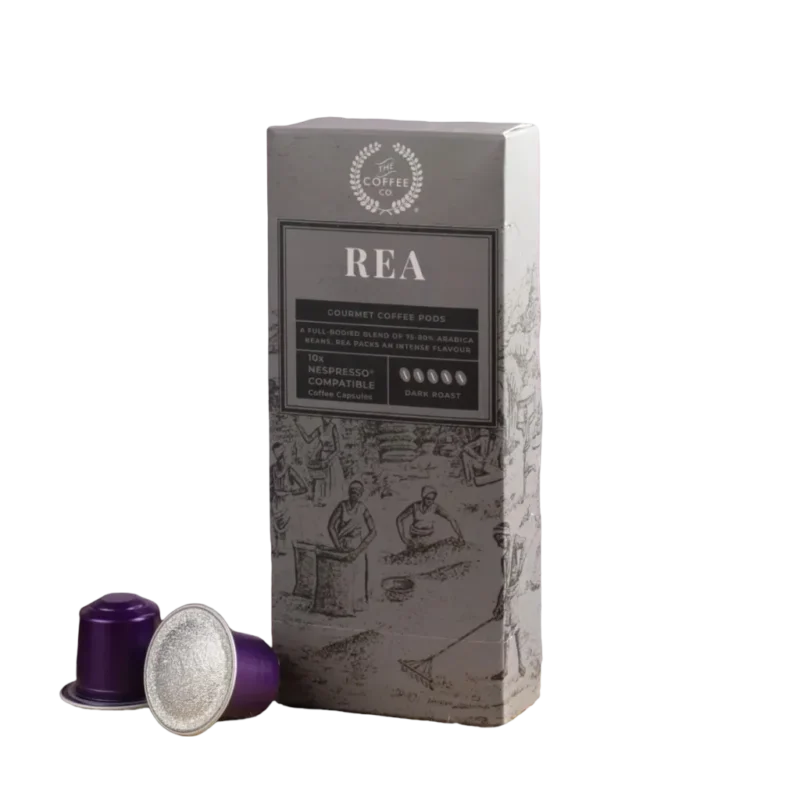
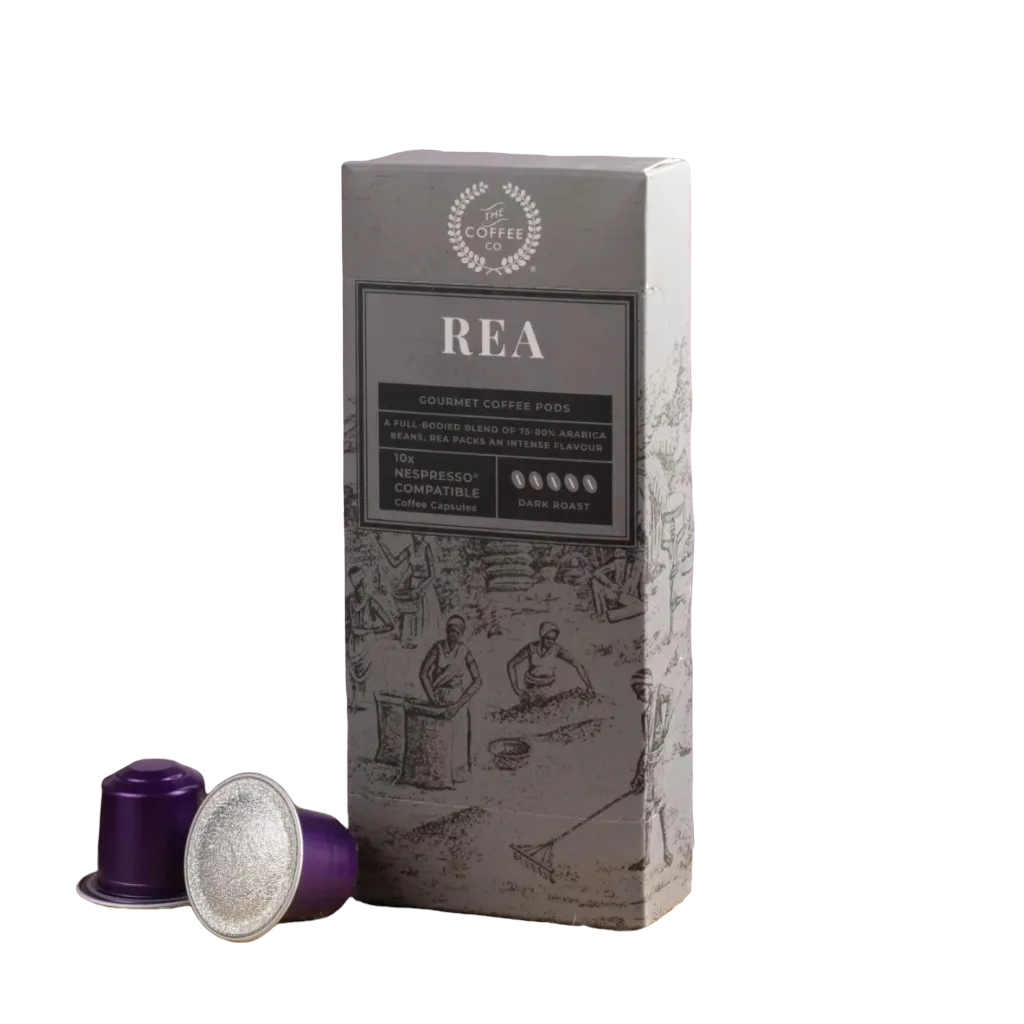
Dark roast coffee characteristics are shaped primarily by the roasting process itself, where bold and smoky notes take precedence over the bean’s original profile.
Extended heat produces deep, bitter flavors, and coffee roasting impact on bitterness is at its most pronounced at this level. The intensity and body this creates make dark roast the best roast level for espresso, where a concentrated, full-flavored shot is the desired outcome.
The Coffee Co. applies careful roasting control here to ensure the boldness remains clean and satisfying rather than sharp or one-dimensional.
Single Origin vs Blended Coffee Roasting
The roasting approach shifts meaningfully depending on whether the coffee comes from one source or several.
Single Origin A single origin coffee roasting profile is designed to protect and highlight the unique flavor notes of one specific growing region. Every temperature and timing decision serves the goal of preserving what makes that region’s beans distinct. The result is a cup where terroir and identity are the defining characteristics, rewarding those who value specificity and origin transparency.
Blended Coffee Blended coffee roasting difference lies in the goal of creating harmony across multiple bean sources rather than celebrating any single one. Roasters calibrate each component separately so the final blend delivers consistent balance and smoothness across batches. The result is a cup where reliability and broad appeal are the defining strengths, serving drinkers who prioritize a familiar, well-rounded experience.
Coffee roast levels explained through this lens make both options valuable. Single origin suits the explorer, and blends suit the loyalist. Each approach reflects a different kind of craftsmanship, and the better choice depends entirely on what the drinker values most.
How Roast Level Affects Everyday Coffee Drinking
Knowing how to choose coffee roast level turns a daily habit into a genuinely informed ritual.
- How roasting influences coffee taste notes determines whether the cup feels light and clean or deep and full, shaping preference across different moments of the day.
- Roast level affects the perceived bitterness and smoothness, making it the most practical variable for matching coffee to individual lifestyle and taste.
- This coffee roasting guide for beginners perspective removes guesswork and helps drinkers build a clearer sense of their own preferences over time.
How roasting affects caffeine level is a commonly asked question, and understanding this alongside flavor helps every drinker make a choice that fits both taste and routine.
Final Understanding of Coffee Roasting Impact
Coffee roast levels explained fully reveal that roasting is the single most influential step in defining what a coffee becomes.
Best roasted coffee beans for flavor are not simply the highest quality beans but the right beans roasted to the right level for the intended experience. Coffee roasting impact on taste is significant enough that small adjustments in temperature or duration create noticeable differences in sweetness, acidity, and finish.
This understanding empowers better coffee selection and builds the kind of informed appreciation that keeps drinkers coming back with greater confidence and satisfaction.
FAQ’s
How does coffee roasting affect flavor?
Roasting triggers chemical changes that develop sweetness, acidity, bitterness, and aroma, defining the full taste profile of the final cup.
Why does roast level change coffee taste?
Different roasting temperatures and durations produce different flavor compounds, shifting the balance of acidity, sweetness, and bitterness significantly.
What is the difference between light, medium, and dark roast coffee?
Light roast is bright and acidic, medium roast is balanced and smooth, and dark roast is bold with dominant bitter and smoky notes.
How does roasting affect coffee aroma?
Heat releases aromatic compounds during roasting, with lighter roasts producing delicate floral notes and darker roasts creating richer, smokier fragrances.
Does dark roast coffee taste stronger?
Dark roast tastes bolder and more intense in bitterness, though perceived strength depends on both roast level and brew method.
How does roasting impact coffee acidity?
Acidity decreases as roast level increases, making light roasts noticeably brighter and dark roasts considerably lower in perceived acidity.
Which roast level is best for daily coffee?
Medium roast suits most daily drinkers for its balanced flavor, smooth body, and consistent, approachable taste.
What happens to coffee beans during roasting?
Green beans lose moisture, change color, and undergo chemical reactions that develop the flavor, aroma, and structure of the finished roasted bean.
Does roasting change caffeine content?
The effect of roasting on caffeine is minimal; brew method and bean variety have a far greater influence on caffeine levels.
How do I choose the right coffee roast level?
Match roast level to personal taste preference: light for brightness, medium for balance, and dark for bold, full-bodied intensity.
Related Post

- Design trends
Top 7 popular coffee trends in 2026 reflect how coffee has moved beyond a daily habit into a complete lifestyle

- coffee machines
Coffee brewing temperature is one of the most direct and controllable factors shaping how every cup tastes, smells, and feels.

- Automatic coffee machine
Understanding the right automatic coffee machine features makes the selection process considerably more straightforward than comparing spec sheets alone. Practical